
Writing While Mentally Ill
As a writer have you ever gone back and reread an old work and thought, ‘Wow, who hurt you?’
The last few months I’ve been working on writing the sequel to one of the first books I ever wrote and published. It’s been proving to be exceptionally difficult. There are no less than five different versions sitting in my hard drive. And this latest attempt is yet another rewrite. Yet again, the story seems to be fighting me at every turn. I knew going in that the main character is mentally draining to write. But that hasn’t felt like it’s been the case recently. It’s felt deeper than that.
After a convo with my sprint partner a couple of weeks ago, I did some thinking and came to a realization.
(Trigger warning for discussion of suicidal ideation, depression and suicide attempt.)
Where it Began
When I first started writing this book, I was a new mom and on strict bed rest due to nearly dying during delivery. I didn’t realize it at the time, but I was suffering from rather severe postpartum depression. In order to deal with my emotional turmoil, I began writing. I created a character who I could put through all the torment I felt I deserved. This poor boy was aptly named Sorrow. He became my vessel for all of my insecurities and trauma I’d endured growing up. It helped for a time.
When my middle child was almost two, I attempted to commit suicide at work. This led to a hospitalization and finally a diagnosis. But it would be another five years before we found a mix of medications that help keep me balanced mentally. I’ve been through therapy. I had a relapse and went back into the hospital for a short time. My lovely psychiatrist helped me learn coping mechanisms. I still have bad days, but I no longer sit and daydream about dying or about how much better off everyone would be if I was gone. I’ve continued to write. I still love tormenting characters, but not to the degree I did to Sorrow.
So when I realized last week the reason this story is fighting me so hard, it was a surprise but also a relief of sorts.
I can no longer write Sorrow the way I did. I no longer want to hurt myself and by extension him. I deserved better and so does he. In light of that, I’ve decided to take the sequel in a totally different direction than I’d originally intended. I won’t spoil it here for you. ^_~
Staying Sane as a Mentally Ill Writer
Writing is mentally taxing, no matter who you are or what you write. At some point or other, nearly every writer deals with the dreaded writer’s block. That seemingly insurmountable hurdle to keep putting words down on the page. And every writer has their own way of dealing with it. However, for a writer who is neurodivergent (I use this term as I feel it is more inclusive and has a less negative connotation than the phrase mentally ill) it can be especially frustrating.
For me, anxiety and depression can combine to create a perfect storm of feeling both upset I can’t get anything down, that I’m disappointing my readers, and conversely, feeling like it wouldn’t matter anyway as I’m nothing but a fraud trying to trick people out of their hard earned money.
Ouch.
That’s not true. Of course it isn’t true. But my serotonin starved brain likes to insist otherwise. This is when I have to be especially gentle with myself. Following are a few things that I’ve found help me when I’m in a slump and ways I’m working to avoid them in the first place.
My biggest piece of advice is this: pain and/or suffering doesn’t not make a person more creative or a better artist. The whole concept of the tortured artist needs to die a fiery death. Health doesn’t define who you are and it shouldn’t define you as an artist either. If you are struggling, get help. I became a much better person and writer once I got help and learned to harness those demons instead of letting them run rampant.
Being neurodivergent doesn’t automatically make my writing deeper or more relevant than a neurotypical author’s work. In some ways, it can be less relatable to the average reader because of my perspective.
Here are six ways I’ve been trying to help myself:

- Seek Professional Help
My first piece of advice is to get help. If you are struggling with symptoms that make day-to-day living a challenge, please talk to your doctor. I will also list various resources for you at the end of this article. The Suicide Prevention Hotline literally saved my life.
- Practice Mindfulness
Try to stay self aware. If something you’re working on is making your symptoms worse, it might be time to pull back and think about why this is the case. This is especially true if you’re writing about a neurodivergent character. As the article Tips for Writing With and About Mental Illness states: “Suddenly, you’ve stopped arguing with mental illness, and you’ve started collaborating with it.Writing about mental illness can sometimes become a conduit for mental illness” (Wortmann, F. (2021, September 10). Tips for writing with and about mental illness. Psychology Today. Retrieved October 13, 2024, from https://www.psychologytoday.com/gb/blog/triggered/202109/tips-for-writing-with-and-about-mental-illness).
- You are More than Your Illness
Just as you are not solely your illness, neither is your character. While at times it can feel all consuming, it is only one part of our whole selves. And not everyone will have the ability to understand our character any more than they can understand our experiences. Some things simply have to be experienced to be understood.
- Take Breaks
If your current work is making your symptoms worse, don’t be afraid to put it down and walk away for a bit. Work on something different. This is why I like to have several projects going at once. It gives my brain a break from writing emotionally challenging characters to write something lighter. Or I refill my creative well by reading, watching movies or gaming. It is all part of the process and don’t let anyone tell you different.
- Try New Things
If writing has become truly challenging, it might be time to try a new creative outlet for a while. Allow yourself to explore other mediums. This can also relate to #4 in that it gives your brain a new challenge and can actually help you when you get back to your writing.
- Don’t Isolate
We tend to withdraw when we’re struggling. This is the last thing we should be doing. This is when we most need to reach out to others. Even if it’s just joining some writing sprints on a Discord server or going to a local writers group meeting, do something that involves other people.
You’re more than welcome to come join my server. We typically do sprints together on Saturday and Sunday evenings. https://discord.gg/4uPCWEFRJp The Novlr website also has a community tab and a Discord Server. They hold writing sprints through the week. (www.novlr.org). Scribophile is another great website if you’re looking for help and feedback too. (https://www.scribophile.com/)
I hope you find these points useful. If you have your own methods I would love to hear about it in the comments!
Here are some useful links from the National Institute for Mental Health :
Call or text 988 or chat online to connect with a trained crisis counselor. The Lifeline provides 24-hour, confidential support to anyone in suicidal crisis or emotional distress. You can reach a specialized LGBTQI+ affirming counselor by texting “Q” to 988 or by calling 988 and pressing “3.”
If you are a veteran, consider using the Veterans Crisis Line.
Call 988, then press “1.” You can also text 838255 or chat online . The Veterans Crisis Line is a 24-hour, confidential resource that connects veterans with a trained responder. The service is available to all veterans and those who support them, even if they are not registered with the VA or enrolled in VA healthcare.
Learn more: Veterans Crisis Line (disponible en español )
Disaster Distress Helpline. Call or text 1-800-985-5990. The Disaster Distress Helpline provides immediate crisis counseling for people experiencing emotional distress related to any natural or human-caused disaster. The 24-hour, confidential helpline offers interpretation services in more than 100 languages.
The following professional organizations have directories or locators on their websites for finding mental health professionals:
- Academy of Cognitive and Behavioral Therapies
- American Academy of Child & Adolescent Psychiatry
- American Association for Geriatric Psychiatry
- American Association for Marriage and Family Therapy
- American Board of Clinical Social Work
- American Board of Professional Psychology
- American Psychiatric Association
- American Psychological Association
- Association for Behavioral and Cognitive Therapies
- National Association of Social Workers
- National Register of Health Service Psychologists
- Psychology Today
- Society of Clinical Psychology
National advocacy organizations provide information on finding mental health professionals, and some have locators for finding a therapist on their websites. Examples include:


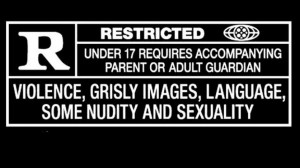
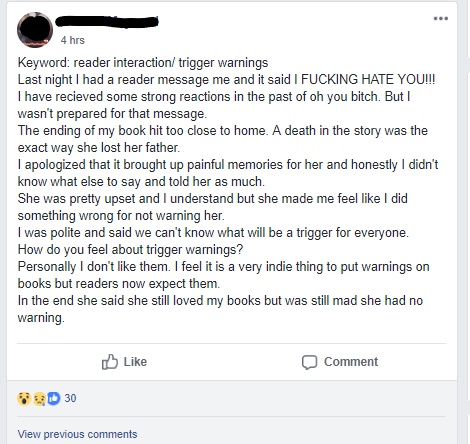
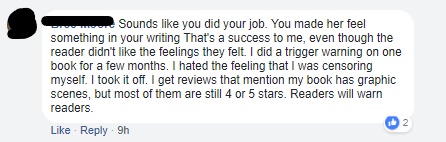
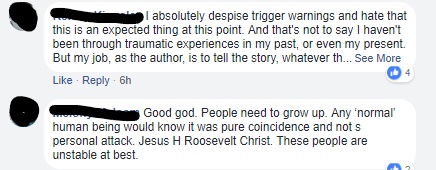


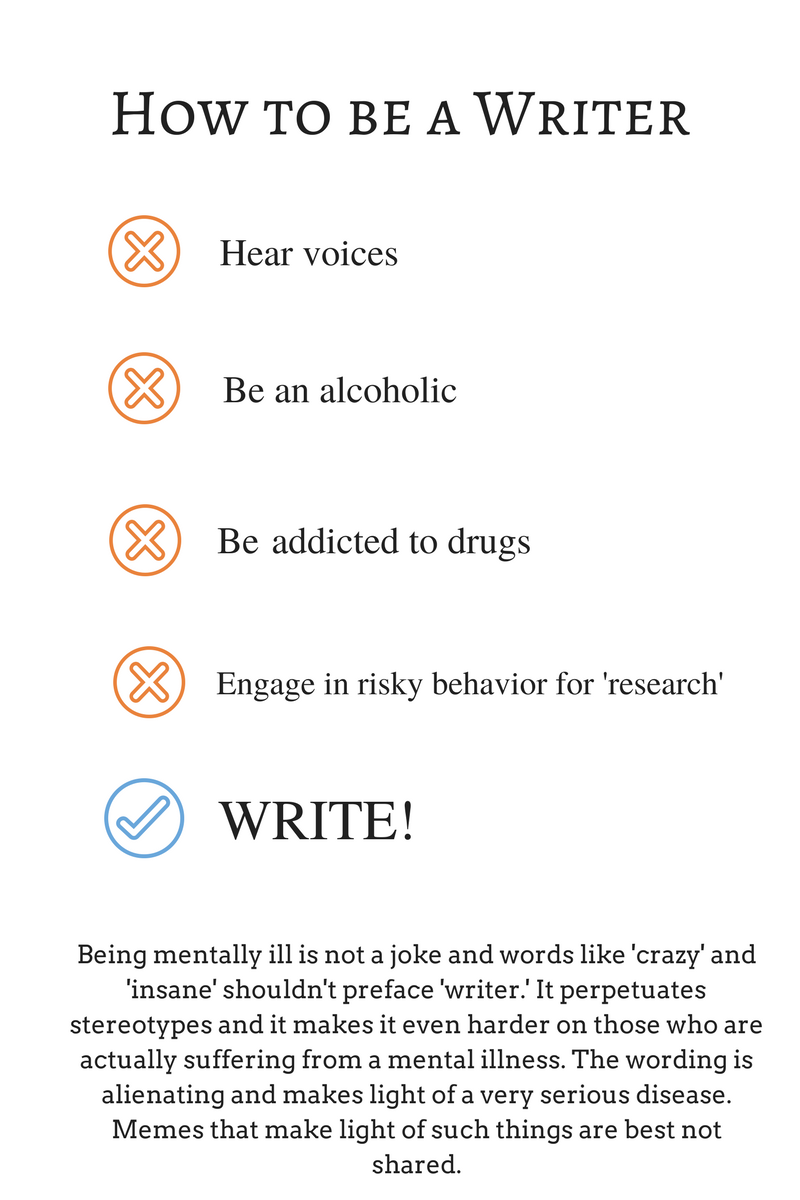
 Ah, the crazy writer. Edgar Allen Poe, Jack Kerouac, Ernest Hemmingway, Slyvia Plath. The names conjure the image of tormented, alcoholic, or strange souls destined to be on the outskirts of society while they penned the next literary masterpiece. Several famous writers have suffered from mental illness and have even succumbed to their disease or addictions. Somewhere along the way the image of the ‘crazy’ writer, holed up in a dank cabin and reeking of alcohol and tobacco while wearing a bathrobe and slippers, became the go-to image. This has even been reflected in movies and books.
 do that. I know the difference—the vast, vast difference —between two.

 Bran Lindy Ayres
