Eeesh, it’s been awhile since I’ve been able to write a post. Sorry about that. Having a chronic illness and being a single parent can really flatten you sometimes. So, on with the post!
Last time we talked about developing a non-traditional hero. We discussed how archetypes are useful as a basis for creating a character and how to add traits and goals to make them truly unique and non-stereotypical. We looked at the waif archetype and discussed how to make them atypical including switching the gender typically associated with waifs.
As a bonus I’m going to introduce you to One Stop for Writers. If you have followed my blog for long you’ll know I don’t really endorse writing software, but One Stop for Writers is completely different. Instead of just writing a review I thought I’d show you why I am so completely thrilled with this website and how incredibly helpful it is. So, we are going to use it to help us fill out the pyramid. You can access a lot of helpful information for free, but a subscription is only $9 a month.
So first, the pyramid. I’ve decided to use one of the characters from my upcoming novel to fill this out since I know him best. You’ll see on the page a place to put the character name and under that, a defining event. This is their backstory wound that results in the lie they believe about themselves.
But what if you don’t know what your character’s defining event was? One Stop for Writers has an idea generator and no it’s not random phrases strung together. At the top of the page you’ll see a drawer marked Wounds. Open and close it until something sparks an idea. That can be your defining event (just beware of getting sidetracked with all the other amazing generators as I tend to do, seriously it’s very tempting).
Now, we are ready for the pyramid itself. So depending on your character’s defining event what lie do they believe about themselves? Lafayette believes he is not worthy of love or close relationships because of being betrayed by someone he was in love with and trusted.
So what core flaws might result from that lie? Let’s head over to the Negative Trait Thesaurus and find some.
One Stop for Writers makes it easy as they have the entire Negative Trait Thesaurus readily available.
So looking at our pyramid what core flaws might arise from our character’s wound and lie? To illustrate let’s look at Lafayette’s wound and lie and see what traits he could display. Having been the victim of a cruel betrayal he’s become antisocial, withdrawn, cynical, and uncooperative.
If you are on the website you’ll find that clicking each trait gives you the entire thesaurus entry for that trait. This should give you some ideas on how to fill the next step of the pyramid with their lesser flaws that grow from the core flaws.
For Lafayette I’ve gone with; disrespectful, jealous, suspicious, hostile and ungrateful. He’s starting to sound like a bit of a jerk. Well he is. These are your character’s bad traits, the grounding for their flaws and where they came from.
The last tier of the pyramid are the ways you will actually show these traits in your narrative. By how they think, what they think about, how they behave and act and what quirks they have, you’ll be able to show your reader your character’s flaws. So how are you going to fill this tier out?
Go through each entry and find associated behaviors that you feel fit your character. No one has all the associated behaviors and some traits might only have one main behavior to contend with. You might find that there is some overlap within the behaviors, this is just fine. This is mostly to give you a basis for ideas of how your character behaves because of their backstory wound.
Lafayette avoids intimacy and pushes people away. He is brutally sarcastic and will play pranks to get back at people he feels slighted by. He hordes pillows.
So now you have, or hopefully have, a completed pyramid. It should look something like this (with your character’s detail of course):
Now you have something to refer back to when you’re not certain how your character might react to a situation and you’ve given them new depth and realism. This will help take your hero from a nice cake with pretty icing to something truly worthy of a place at your table and something your readers will devour.
I also hope you’ve enjoyed this very short tour of One Stop for Writers and can see why I think it is an incredible tool. I’ve barely even skimmed the surface of all the wonderful features they’ve included. I am very grateful to Becca Puglisi and Angela Ackerman, authors of The Emotion Thesaurus, and Lee Powell, creator of Scrivener for Windows for putting so much thought and effort into this resource.
I hope this helps you build your wonderfully non-traditional hero! If you enjoyed this, please consider supporting me on Patreon.
As always your comments and questions are welcomed below. Do you find it difficult to incorporate a character’s flaws, especially if they are the hero? Do you find yourself worried the character might come across as unlikeable or unsympathetic? How do you handle this? Please let me know your thoughts in the comments.
Building a character is a lot like making a cake. Except you don’t want just a basic yellow cake, you want layers and frosting and all the fun stuff that makes cake great. Or maybe it’s sushi you like, you aren’t just going to eat rice and be satisfied when you want sushi. Archetypes are like your basic yellow cake batter. They form the basis to start from, but it’s up to you to add all the stuff that will make an epic cake. What kinds of things do you like in a layer cake? Fruit, nuts, chocolate something a bit more exotic? Then we need the icing, or maybe you like frosting or fondant and lots of it. Good.
The point is we start with a base, but we don’t stay there. That’s boring. Spice it up. Experiment, see what flavors work well together and which ones don’t.
So, let’s get cooking.
Step 1: Start with an Archetype.
The ones I listed a couple of weeks ago are just one set of archetypes. Schmidt’s book A Writer’s Guide to Creating Characters contains more lists. I’m going to stick with my list and pick the Waif because it’s so well known. Plus I have a fun idea to play with.
Step 2: Determine the Flavor
So who is the Waif?
Tami Cowden defines the Waif:
This is the original damsel in distress. She was the star of many a Grimm’s fairy tales. Cinderella and Sleeping Beauty and Rapunzel, all required rescue, and so does she. Her child-like innocence evokes a protective urge in the beastliest of heroes.
But don’t be fooled, because the Waif has tremendous strength of will. She won’t fight back; she’ll endure. Audrey Hepburn often played this heroine – think of Sabrina. Marilyn Monroe in The Misfits was a classic waif. And an updated version is found in Peta Wilson’s La Femme Nikita. A classic Waif is Jane Eyre by Charlotte Bronte. She overcame mistreatment, and her innocence and purity won her Mr. Rochester. Another good example – Kathleen E. Woodiwiss’s heroine in The Flame & the Flower.
These women are pure at heart, at times a little too trusting, and also insecure. They seem to be untouched by the world, patient and adaptable to any situation. They carry on, looking for the day when they are free of their travails, but taking little action to bring that day closer.
In a bar fight, the Waif is most likely to turn to the hero to get her out of this situation. If that fails, she’ll be found pressed against a wall, well out of the fray. But let an unwary fighter venture too close to her little island of safety, and he’s likely to have a bottle smashed over his head. When cornered, the Waif will take desperate measures, but only when she has no other option.
This is when you decide just what kind of cake you want to work with; is it chocolate, red velvet, angel food, or lemon? This is what we will build on so pick something that feels right for your character.
What core moral value do we see that might fit the Waif? Looking at The Positive Trait Thesaurus by Angela Ackerman & Becca Puglisi in Appendix C on page 236 there is a list of moral traits. A couple that jump out at me as potentially fitting the Waif archetype are Innocent and Patient. I can hear you wondering why I’m not trying to stay as far away as possible from the whole definition of the Waif archetype. We still need a basis, a starting point. So let’s look at these two moral values.
Innocent is defined at being of pure intent and motive with possible causes being a sheltered upbringing or seeing only the good in people. Some associated behaviors I’m going to pick for my Waif are:
honesty
curiosity
being exceptionally trusting
friendliness
seeing things in a practical light
being willing to help others
being excitable
Patient is defined as exhibiting self-control and composure under trial or strain with possible causes being believing everything will work out, maturity, or being focused on others rather than self. Some associated behaviors could include:
calmly waiting
not complaining when things take too long
enjoying the moment rather than always thinking about what’s coming next
bouncing back quickly from setbacks
not being surprised by the unexpected
managing one’s time wisely
delaying gratification
Personally I think patient fits my vision for my Waif a little better than innocent so I’m going with that. We have the core trait, the thing that gives them their sense of right and wrong. Now lets look at the next set of traits.
Step 3: Add the Extras and Bake
So I have my batter and am ready to add some fun flavors. This is the what the Positive Trait Thesaurus describes in Appendix B on page 233 as the achievement tier and while being aligned with their morals, is focused on what traits they’ve developed to help them achieve their life goals.
What might fit the Patient Waif? When creating my characters I like to pick at least three complementary achievement traits. For my Waif I’m going to pick adaptable, cooperative and persuasive. I generally like to pick a fourth that doesn’t seem to quite fit with the others. I’ve decided on meticulous. So to go along with the analogy I’ve got a few complimentary flavors and then something to add a little texture like fresh fruit or nuts. Now we bake and assemble the tiers.
Step 4: Frosting
Now, I’m going to move from personality traits to external elements because the interactive and identity traits deal more with how the Patient Waif reacts to their surroundings. They need a goal, motivation and conflict for me to understand them better and flesh them out a bit more. We have our cake tiers ready to go, and now we need to layer on the frosting and decorations. But to do that I have to understand their environment, the frosting needs to compliment the cake itself.
I know that my Patient Waif has endured something that gave them that core trait. So now I brainstorm. You’ll probably come up with something entirely different given your interests and life experiences, and that’s perfect. Every character needs a sliver of yourself within them to make them feel alive and real to the reader.
So what goals, motivations and conflicts might my Patient Waif have? That depends on the story, the setting, their history and such. As an example I’m going to pick a character from a current WIP of mine. It’s just now in the planning stages so this will be a good exercise. It’s a high fantasy setting but more technologically advanced, think pre-industrial revolution instead of medieval. Magic is a science all to itself.
The interactive traits are described in The Positive Trait Thesaurus Appendix B page 233: “Strengths form through interaction with people and the environment. These traits help the character work with others, handle conflict, convey ideas and forge healthy relationships.” This layer is our frosting, icing or fondant before you start adding any other decorations.
For my Waif I’ve picked; Diplomatic, Observant, Perceptive and Tolerant. These are things they’ve learned from their life experiences and reflect how they interact with other people. These traits compliment their core morality of being patient while enhancing the overall flavor.
Step 5: Decorate
Now for the decoration, the identity traits. These are the traits that the thesaurus describes as being tied to a personal sense of identity. This is what makes your character, your cake, stand out as unique. It’s the surface qualities that draw the reader in so they are tempted to take that first bite.
For my Waif I picked some fun things; Intelligent, Philosophical, Sensual, and Witty. Typically now I would get a notebook and start going through the thesaurus jotting down the various attributes of each trait I feel fit the character and getting an idea of who they are.
It’s helpful to go through the Positive Trait Thesaurus, Appendix A on page 229 at this point and start going through the topics. I also like to fill out character profile sheets so I have the information in one spot to refer back to. Just remember that this is your test kitchen. Once you start writing you might discover whole new things about your character and who they really are. Be willing to listen to them and see how the new direction fits.
We need to understand what their goal is, why they are striving for it, and what is keeping them from it.
Sometimes I actually find it more helpful to figure out the goal and then work backwards figuring out who this person is. I’ll go more indepth about this next week and we’ll fill out the pyramid together.
So who is my Waif and what makes them an atypical hero? Let’s find out.
Cirbus is tall even for his race, the Daoine Sith. As a knight of the Unseelie he is supposed to be working for the Winter Queen in her never ending struggled against the Summer Queen. Except after several hundred years he’s a bit fed up. Maintaining the gates between the realms he’s had to witness much cruelty and heartbreak and nothing bothers him more than seeing intelligent beings suffering.
One day he witnesses the capture and vivisection of a young mage who is then left to die on the side of the road once the butchers are done. Leaving his post he heals the now normal young woman and sends her on her way. The incident leaves him questioning his duty but he remains until word is sent that his actions have not gone unnoticed and he’s subsequently banished.
For the first time in his life he’s alone. He has no idea about human culture or how anything works. He’s never been out of the glade where his portal lay. He doesn’t wander far, only making it as far as the crossroads where he runs into a group of magic hunters. Daoine Sith aren’t just rare, they are a myth and the hunters are prepared for the vicious evil creatures the myth calls them. Cirbus is understandably unprepared for their assault and is captured and taken to the nearest principality to be sold. Instead of trying to escape he waits patiently for the next several decades until the principality is no more.
What happens after that? That’s a spoiler. Point is I have my cake—er my atypical hero. Cirbus eschews the stereotype by being a male waif for starters and also by choosing not to react and to instead be patient. We’ve taken the archetype and built something entirely new in just a few steps. It does take some work and experimenting but in the end you’ll have an awesome cake that readers will devour.
If you enjoyed this and would like to see more, please consider supporting me on Patreon.
As always your comments and questions are welcomed below. Do you have a favorite ‘flavor’ you like to write? How do you go about creating your characters? Do you like to start from a different approach? If so what is it?
Last week I discussed the alpha character role and the trap of stereotypical heroes. So what is a traditional hero? Often in fiction, especially romance, the hero is what is termed an alpha male, which I discussed in last week’s post. The often hypermasculine and overly sexualized characters (male and female) in media, while popular, are becoming cliche.
So what makes a non-traditional hero?
First let’s break down what a hero is and what makes them a hero.
hero
[heer-oh]
noun, plural heroes;
a man of distinguished courage or ability, admired for his brave deeds and noble qualities.
a person who, in the opinion of others, has heroic qualities or has performed a heroic act and is regarded as a model or ideal: He was a local hero when he saved the drowning child.
the principal male character in a story, play, film, etc.
Classical Mythology.
a being of godlike prowess and beneficence who often came to be honored as a divinity.
(in the Homeric period) a warrior-chieftain of special strength,courage, or ability.
One who acts in consciiousness of heart and soul. modern: one who acts on what he/she was tought to do or perform. as in Doctors, astronauts, firefighters, paramedics, etc.. the modern kind of takes away from the true meaning of the word “HERO”.Answer A traditional hero plays by the book, he doesn’t bend or break the law, doesn’t smoke, drink or cuss, will not lie and helps little old ladies across the street. Like Atticus Finch, Roy Rogers, The Lone Ranger, Superman etc… A modern hero may be on either side of the law, will bend or break the rules to his benefit, he may steal, will certainly lie, smokes, drinks, cusses and helps little old ladies across the street. Like Dirty Harry, Lazarus Long, and others. Of course this is only the general differences, both types of heros have the same focal point, the common good of the people.
A hero is a man that is admired for his achievments; that has strength and shows courage to others.
Last week I covered the various character archetypes and how Mad Max doesn’t fit the typical alpha male role. What I want to do this week is discuss the typical hero. The definition of a traditional hero is someone who follows the rules and is courteous and polite. A gentleman, basically. The modern idea of a hero is an anti-hero who only follows rules when it suits them and is more coarse and crude, but still a ‘good’ person. Both the traditional and modern types of hero work for the common good of the people. The alpha male is simply a hyper-masculinized version of either a traditional or a modern hero. This is something that I find unfortunate, because it does a disservice to both men and women in the portrayal of that kind of behavior being the norm. There is nothing wrong with having an alpha male character, provided they’re not the only kind of hero we get to see.
There is more than one way to be a hero, and anyone with enough guts can be a hero if the moment calls for it. Some characters never even think of themselves as acting heroically; they just act. To quote my character Jasper Stanton from The Jeweled Dagger, ‘Heroes act. They don’t wait for things to happen.’
Even a so-called coward can become a hero given the right set of circumstances. Even if they act out of cowardice or self-interest, if the action benefits others it can be deemed heroic. The character’s actual motivation for the act is immaterial because it’s the results that matter.
This is where the concepts of the anti-villain and the anti-hero come in. The anti-hero is almost always motivated primarily by selfishness. An anti-villain is a villain with a conscience: they know they must make the hard decisions and aren’t afraid to make the necessary sacrifice in order to fulfill their goal as long as they themselves are not the sacrifice. It is that difference which makes them a villain. Villains and heroes are just two sides of the same coin. A character who believes themselves to be the hero is really the villain if the results of their actions are harmful, though they are often considered to be a hero by some.
An example of this is Rozzen Barbeaux, an original character in my Thief fan fiction series which can be found on Archive of Our Own. She is powerful, driven, in control and incredibly intelligent. She is publically working to better the City, to bring order to the chaos created by the events of the game. She was previously an altruistic corsair who toppled tyrants and oppressive regimes. Many of the wealthy citizens of the City see her as a hero, and their last hope to stem the chaos and bring order. To Garrett and the common people of the City she has become another oppressive tyrant like those she used to fight, and is the main villain of the series.
There are always two stories in every conflict, and which side is which is often a matter of perspective. The same would still apply even if the harmful results were accidental instead of deliberate.
Each archetype I listed last week possesses a core moral value, that inner decency that drives all their choices and decisions. These archetypes are a good starting point for creating a character but, like a core moral value, they must be expanded upon to fully develop a character that is not a stereotype.
Mad Max from the movieMad Max: Fury Road is a good example of a non-traditional hero, as is his counterpart Furiosa. Neither fits the commonly defined hero role. Stevesbootyshorts on Tumblr made an excellent observation:
Hardy’s Max is traumatized, he is twitchy, non-verbal, and is haunted by hallucinations/flashbacks. Despite this, he listens to the other characters; when the women decide to trust Nux, he trusts their judgement. He’s very obviously afraid. He is far more viscerally traumatized than anything you typically see out of male action stars.
When I began planning The Jeweled Dagger I knew I didn’t want either of my main characters to be stereotypical or to even fit neatly into an archetype. I knew it was going to be a non-traditional romance as well, featuring characters from the orientation and gender identity spectrum who you don’t see often in fiction.
Jasper Stanton at first glance might seem like your typical dashing hero and he strives to be what he thinks of as the ideal. It’s actually one of his flaws. He’s distinctly uncomfortable in a leadership role and when he’s promoted to Captain he thinks it’s a prank. He’s out of place at the Royal Court and is desperate to fit in and gain the approval of those around him. He’s a flirt but doesn’t actively pursue a sexual relationship and even rebuffs those who seek one with him. He asks for help when he knows he’s in over his head. He is terrible with a sword and pukes if he has to deal with bloody wounds. He endures abuse because he thinks he deserves it.
Not exactly your typical hero.
Then we have Lafayette Goddard, who is more of an anti-hero, but still not typical. Living a dual life at Court, they are highly skilled as both a spy and an assassin. As Genevieve they are just as assertive and capable of violence as when they are Lafayette. They are also very focused on maintaining appearances at Court, especially as Genevieve, and they will go to great lengths to protect their reputation. As Lafayette they work to remain in the background but they don’t mince words or insults. They prefer to work alone and refuse help even when it’s offered and needed. Relationships are merely tools to them and they actively use others’ interest in Genevieve to acquire information.
Also not your typical hero, anti or otherwise.
For comparison there is Adrian Barbeaux, from the Thief fan fiction I mentioned previously. He is a Warrior. Literally. Adrian is a Captain of the City Watch and the quintessential hero. He’s courageous, protective, patient and kind to a fault. He risks everything to save Garrett, at first simply because he feels Garrett’s treatment is unjust, even for a known thief. Later he stays with Garrett because he’s come to respect and admire him. Even when events ultimately lead him to a horrifying decision he decides against putting his tormenter to death.
What saves him from being a stereotype is the way he goes beyond the archetype. Here is it defined according to Tami Cowden at All About Romance:
The Warrior
This man is the reluctant rescuer or the knight in shining armor. He’s noble, tenacious, relentless, and he always sticks up for the underdog. If you need a protector, he’s your guy. He doesn’t buckle under to rules, or and he doesn’t go along just to get along.
Examples of Warriors? Dirty Harry, and most any Steven Seagal character. Check the Die Hard movies too. For a lighter version, try TV’s Hercules. Most superheroes are Warriors .
In romance, Suzanne Brockmann and Linda Howard write Warriors. Rosemary Rogers favors this type, too. Trap this man in a basement and his reaction is going to be pure outrage.
He’s a protector, so his focus will be getting her out. But once they’re out, the villain better start running. The Warrior will hunt him to the ends of the earth.
Forget about rescue. This man is the cavalry.
So how did I make sure Adrian didn’t fall into the stereotypical hero trap? I gave him flaws and quirks that help round him out. He takes charge when he needs to but always considers Garrett’s best interest first, including not trying to take Garrett out of his comfort zone or trying to change him. Though this has led to him assuming he knows what is in Garrett’s best interest even when Garrett disagrees. I even took some of his ‘good’ qualities and amped them up until they became flaws. Like his kindness. How can kindness ever be a flaw? When it gets to the point Adrian allows himself to be manipulated and/or abused because he’s too nice. Even his protective instincts can be taken to the point they become not just overprotective but obsessive.
As I mentioned earlier, every hero has the potential to become a villain if any one trait is taken too far. We can use this duality and potential for mistakes to make our heroes more relatable and less stereotypical. Archetypes are a great starting place to build characters, but can become limiting if our characters never go beyond their original archetypes.
These are some examples of both typical and atypical heroes, but how do you go about creating an non-traditional hero? I’ll take you step by step through the process next week.
Have questions or comments about the examples? Please let me know in the comments. Is your character creation process different? Do you like to mix and match archetypes? Do you have a favorite go-to archetype you prefer writing? Have you recognized some archetypes among your favorite characters? Who are they?
A truly complex and layered plot is not something you can whip up in a day of brainstorming. What you can come up with is a premise and basic plot arc. Notice I said basic.
So what makes a plot complex? Adding more characters? Adding more events? More conflict? More themes?
Yes. All of the above. You cannot just throw one element at a plot in multitudes and expect the plot to suddenly seem complex. More than likely it will just be confusing. A truly complex plot is a careful balance of theme, character, subplot, subtext, narrative arc and premise. A truly complex plot has layers and those layers can’t just lay on top of each other, they have to connect and be intertwined and relate back to each other in every way relevant to the main story arc.
Does it sound hard? Good. It is. Writing is work. Get used to it.
What is your premise and basic plot? Pick your plot. I recommend just pulling one from this list. No plots are “original” so making yours interesting and complicated will easily distract from that fact, that and interesting characters. Characters will be something for you to work on another day, because this is plotting day. You’ll want the main plot to be fairly straight forward, because a confusing main plot will doom you if you want subplots.
Plot is something happening to someone. Without the someone to react to the something there is no plot. You need to know today who this stuff is happening to or you don’t have a plot. The 36 Dramatic Situations is a nice jumping off point. Having a complicated main plot isn’t going to hurt anything as long as you can sum it up in one sentence. More importantly in order to pull off a complicated main plot you need to know intimately WHO this happens to and why. Don’t be afraid to mix and match the 36 Dramatic Situations to come up with something unique.
Decide who the characters will be. They don’t have to have names at this point. You don’t even need to know who they are other than why they have to be in the story. The more characters there are the more complicated the plot will be. If you intend to have more than one subplot, then you’ll want more characters. Multiple interconnected subplots will give the illusion that the story is very complicated and will give the reader a lot of different things to look at at all times. It also gives you the chance to develop many side characters. The plot I worked out yesterday had 13 characters, all were necessary. Decide their “roles” don’t bother with much else. This seems shallow, but this is plot. Plot is shallow.
Now, decide what drives each character. Why specifically are they in this story? You can make this up. You don’t even know these characters yet. Just so long as everyone has their own motivations, you’re in the clear.
More characters doesn’t always equal a more complex plot. You can have as few as two named characters and have a complex plot. It depends on who they are and what they are doing. It is crucial to know why the character is doing what they are doing in the story. Having multiple interconnecting subplots is one way to create depth to the story, but if they are there just to give the illusion of substance then they are superfluous and should be cut. Deciding a character’s role in the plot is crucial as is their personality and how they are going to act and react to the events of the plot. They are what drives the plot forward so you have to know them and what is going to motivate them beyond their perceived ‘role’ in the narrative.
Shallow plots are boring plots. Dig deeper. Find that core. Find the true motivation for your character and why they are in this situation. True complexity will flow from how well you’ve crafted your character and how three dimensional you have made them.
What aren’t these characters giving away right off the bat? Give them a secret! It doesn’t have to be something that they are actively lying about or trying to hide, just find something that perhaps ties them into the plot or subplot. This is a moment to dig into subplot. This does not need to be at all connected to their drive to be present in the story. Decide who is in love with who, what did this person do in the 70’s that’s coming back to bite them today, and what continues to haunt what-his-face to this very day. This is where you start to see the characters take shape. Don’t worry much about who they are or what they look like, just focus on what they’re doing to the story.
Backstory and character motivation are as inseparable as character and plot. Their actions, reactions and motivations are going to decide where the plot goes. Their ‘secret’ might work better as a backstory wound that affects how they deal with the events of the story. It must absolutely tie into the plot and maybe even a couple of sub plots. Otherwise it’s going to seem cheap and tacked on and your reader will feel cheated.
If a subplot doesn’t directly relate to the main characters or the main plot arc in some way, cut it. It should either emphasize the theme, help with characterization, mirror the main arc or in some other way enhance the narrative. Anything else is useless drivel. Don’t just throw in a random sub plot because you think it makes the plot more complicated. It doesn’t.
What is going to change these characters? Now this will take some thinking. Everyone wants at least a few of the characters to come out changed by the end of the story, so think, how will they be different as a result of the plot/subplot? It might not be plot that changes them, but if you have a lot of characters, a few changes that are worked into the bones of the plot might help you.
If this happens to one of the main characters it is known as the character arc and is often a sub plot of the main narrative. It will be important to fully understand your character’s motivation and backstory to fully realize what changes about them and why and how it relates to the main or sub plots.
Now list out the major events of the novel with subplot in chronological order. This will be your timeline. Especially list the historical things that you want to exist in backstory. List everything you can think of. Think about where the story is going. At this point, you likely haven’t focused too much on the main plot, yeah, it’s there, but now really focus on the rising actions, how this main plot builds its conflict, then the climactic moment. Make sure you get all of that in there. This might take a few hours.
A synopsis is worth having with a complex plot and multiple subplots. It will be crucial to have the outline to know if you have hit all the major plot points. I highly recommend using Jami Gold’s Beat Sheets to help with this. This part of planning a novel will likely take a few days if you put any real effort into it and things will probably need to be reworked multiple times.
Decide where to start writing. This part will take a LOT of thinking. It’s hard! But now that you’ve got the timeline, pick an interesting point to begin at. Something with action. Something relevant. Preferably not at the beginning of your timeline – you want to have huge reveals later on where these important things that happened prior are exposed. This is the point where you think about what information should come out when. This will be a revision of your last list, except instead of being chronological, it exists to build tension.
The opening scene of the novel must grab the reader and throw them into the middle of the action. If you are using the beat sheets you will see where you need to start, somewhere just before everything changes for the main character.
Once you’ve gotten the second list done, you’ve got a plot. Does it need work? Probably. But with that said, at this point you probably have no idea who half your characters are. Save that for tomorrow, that too will be a lot of work.
If you don’t have a very, very good idea who your characters are by now you need to go back and fix that. Ideally take a day to figure out your premise and theme or themes, then spend another few days figuring who your characters should be and ways to make them unique, then spend a week or four figuring out what all happens when and why.
I highly recommend using the Positive and Negative Character Trait Thesauri by Angela Ackerman & Becca Puglisi to begin crafting your characters.
A basic straightforward plot can be easily done in a day. However do not expect to plan a complex novel with multiple characters, themes and subplots in a day. You’ll end up with a tangled mess that will be a chore to write and even worse to read.
Video games are a unique medium. They combine the storytelling of a novel and the look of a movie with the ability to interact with the character and story line. This makes for a unique challenge for the creators. Not only must the characters be compelling and the story line exciting but it has to challenge the player with ever more difficult levels and puzzles. Finding the right balance is difficult at best. With the advances in technology the new ‘next gen’ games not only have better graphics, but increased levels of storytelling. Titles like The Last of Us, The Witcher, Bioshock Infinite, Assassin’s Creed: Black Flag and Tomb Raider were all contenders last year for the VGX awards and BAFTA Games featured complex characters and memorable characters. This doesn’t happen by accident.
Since Jan 1 there have been approximately 159 games released among them titles like:
Thief (Xbox One, PS4, 360, PS3, PC) – February 25 Titanfall (Xbox One, PC) – March 11 Infamous: Second Son (PS4) – March 21 Child of Light (PS4, Xbox One, Wii U, PS3, 360, PC) – April 30 Watch Dogs (Xbox One, 360, PS4, PS3, PC) – May 27 Murdered: Soul Suspect (PS4, Xbox One, PS3, 360, PC) – June 3
Thief was one of the more highly anticipated releases, being the reboot of a classic and one of the few games available on the new consoles. Early buzz was all over the place and reviews continue to be such though the majority are now leaning toward positive. The rest of this article will not be spoiler free so please read no further if you have not played the game and do not wish to be spoiled as to the plot.
Something many reviewers and players have complained about is the difficulty in understanding the plot of the game and relating to the main character, Garrett. Something this game has done differently is spread out the story line over various media. Reading the prequel comics is nearly essential to understanding the relationship between Garrett and his apprentice Erin. Even so, it is not crucial to playing the game. However, if you truly want to achieve Master Thief status in the game it’s highly recommended that you read every thing you come across. As for relating to Garrett, I will be honest with you, a lot of you simply won’t. Garrett is a very quiet, introverted and private person. However, if you give him a chance you will see a very deep thinking, intelligent and witty man.
What we are going to look at now is each of the cut scenes in an effort to not only disect the plot but to understand Garrett better. One of the key things about Garrett; you must watch his face. He doesn’t speak much and communicates mostly through facial expression and his eyes. And this is what makes me personally so excited about next gen games. This level of detail in the graphics opens up so much more story telling wise. Before a character like Garrett, who doesn’t speak much was difficult to get to know, though Garrett Sr (as he’s affectionately known in fandom) was/and is much beloved. With the new graphics characters who are quieter and communicate more through body language and facial expression will hopefully become more common since not all of us are tall, broad-shouldered, sandy headed extroverts.
This analysis was conducted in partnership with my dear friend Jean M. who has played Thief for many hours and has joined me for much discussion of the game.
Scene Breakdown
Prologue: The Drop
Location: Unnamed Building along the Thieves’ Highway
Scene: Garrett and Erin have been looking for information on the location of the Primal Stone Basso’s client wants. In this scene they’ve just discovered a clue to its location and a short conversation ensues.
Jean: Up until the point where Erin laughs, she sounds uncertain – almost like a little girl playing games. Thieving is a game to her. Right up until the point where she see’s Garrett’s face, she’s playing a game of “I can steal more than you”. Except that when Garrett shows up, she can see that he’s refusing to play. I imagine that would make her feel embarrassed. I suspect seeing him reminds her of her shortcomings. I get the impression that she rejects Garrett’s idealistic perfection, not because she doesn’t value it, but because she’s too impulsive and too impatient to be able to mimic it. And looking at him reminds her of what she can’t be.
Davonne: What she doesn’t know is that while she pilfered the obvious chest, Garrett found the hidden safe and valuable ring and necklace inside (This is achieved in game, there is a hidden switch that reveals the cache). He might be slower but he’s also more thorough and more cautious.
Jean: I’m interested in why Garrett’s first appearance at the top of the stairs is of him facing back down them. Was he having second thoughts about taking part at all? I see a mask of indifference. It’s been a while since he last saw her, so given that he has always cared to a certain extent (as he admitted in the final cut scene) it has to be good on a certain level to get to see her, even if he has no wish to work with her. There’s reluctance to get involved with her, but it’s muted because he’s playing nice for Basso’s sake. Although it’s impossible to resist the temptation to play the teacher and lecture her a bit.
Davonne: He’s in full on thief mode complete with mask. He seems to be checking to make sure no one was alerted by all the noise Erin made.
Jean: Erin still doesn’t sound like she’s taking the job seriously. She’s waving the particulars sheet around like it’s some kind of trophy that she gets to read and he doesn’t. There’s an odd edge of almost laughter in her voice. She’s enjoying this, and enjoying the idea of working with him. Waving around the sheet of paper means that Garrett can’t ditch her and do the job solo, because she’s the only one who knows what the job is. It’s not so much about independence, but more about wanting him to admit that she’s as good as he is.
Davonne: The way she keeps the paper from him…it’s a control gesture. I think it might also be her trying get him to see her as being at his level that she’s in control of the situation.
Jean: Garrett’s getting increasingly frustrated and annoyed with Erin. He turned up for a serious job, and she’s playing control games and making fun of his profession. After all, we know that thieving isn’t just his job, it’s his whole life. She’s playing games, but from his point of view she’s laughing at him. The confident mask is still up. This is the Master Thief we’re watching. Garrett the person is somewhere safely buried.
Davonne: I find it interesting how confidently he holds himself. Even though he’s irritated with Erin he’s still very much in control of himself and the mask is firmly in place. Her dropping the paper out the window with that head tilt is a clear challenge. It’s almost antagonistic. She’s having fun with this but also wants to appear to be in control. Dropping the letter prevents Garrett from having access to the information and as Jean said, it plants her solidly as the one in control, the one who Garrett needs, not the other way around.
Jean: More of the same, although the glance down suggests to me that he’s started thinking about all the various things that could go wrong. Possibly starting to formulate plans on how to cope with them.
Davonne: yes I think so, and the look of irritation as he turns to face Erin. I agree that he’s beginning to get worried. Not only is the Baron’s mansion sure to be heavily guarded he’s probably worried about Erin’s attitude toward the whole thing as well. This is not a job to take lightly and he knows it and as stated earlier this is all just a game to her. A fun distraction not a potentially life and death situation.
Jean: Erin stares at Garrett for a few seconds before responding. She’s looking for something. I think she’s starting to realize that things are more serious than she’s acknowledging, but she’s not ready to admit it. So she makes light of it instead by asking him if he’s worried – if he admits to being worried, then he must be admitting that he’s not as good as she is, because he doesn’t think he can do it. It’s a tense mixture of wanting his approval, wanting to needle him, wanting him to take her seriously, but hiding it by refusing to take him seriously.
I’m reminded of the comparisons we often draw between Garrett Sr and Garrett Jr – how he’s all about the challenge, and about pushing himself to match the idealized perfect thief, and the accompanying fear of failure and goes alongside it. Erin’s the same, only she’s not able to focus enough to keep pushing for perfection, and she’s not comparing herself against an ideal – she’s comparing herself against Garrett. So she gets angry and blames him for it.
Davonne: Lots of internal conflict here. She’s desperate to prove herself without actually appearing to be so. Garrett is less than amused and it’s starting to show. He’s keeping it reined in for the moment. Despite their not having worked together for a while and his disagreement with her choices he does seem to be comfortable with her for the moment. At least more comfortable than we see him with other people except Basso.
Jean: The line “yes and so should you” interests me. Garrett’s tone of voice changes. He’s suddenly no longer a deep bass – his tone rises, and almost softens. He’s trying to persuade her, not order her. Maybe he thinks that by admitting what sounds like a weakness she’ll realize that it’s not a failure to feel worried. But as a tactic it relies too heavily on her still being in the protégée mindset, because to come to that realization that it’s not so bad to admit to worry depends on her believing that he is the ideal to be imitated, including in the admission of worry. That’s why it falls flat as an overture. She’s an independent thief now. She has her own solo jobs. She’s still desperate for his approval, but she no longer uncritically soaks in everything he offers her.
Davonne: That interested me too he’s definitely trying to appeal to her. He is still very much in the teacher/student role with her while she’s moved on and sees herself as being nearly on par with him. Why he chooses this particular line and delivers it in such a way is important. There are other ways he could have got the point across but he choose not to adopt the chiding tone from the earlier ‘it’s not what you steal’ line. The inflection also gives away that he really truly is worried, not just saying so for her benefit. This job is potentially dangerous enough that he’s willing to put aside his pride for just a moment to try and make the point clear to her. It’s NOT a game and YES she should be worried.
Jean: The line about “I’ll pick up your slack” suddenly offers what sounds to her like an admission from him that he’s not perfect. Even though he’s never claimed to be or pretended to be perfect, and that being worried about the job would be a good idea. Erin and Garrett are heading off on a joint mission where suddenly she’s the one who knows all the details, where she’s the one who isn’t worried, where she’s the one who is apparently in control. She feels that the dynamic of their former joint missions has changed, and now she’s the one in charge. The protégée is suddenly able to control the master. This is also probably why Erin reacts so badly when Garrett tells her later on in the prologue about how she’s not in control.
Davonne: She does seem to get rather excited in contrast to Garrett’s growing reluctance. It’s probably a rather heady feeling for her to have the Master Thief having to follow her for once. She’s already baited him about being slow, challenged him to a game of who can steal the most and deliberately chose a route that allowed her to show off her particular skill set while forcing him to find his own slower route.
Her ‘we’ll be fine’ sounds overconfident and almost flippant. She’s feeling very in control now especially with Garrett’s admission of being worried. She doesn’t wait for him to follow her and doesn’t even look back as she heads out.
Jean: Throughout the scene, Erin and Garrett are not talking with each other. They’re talking at each other, and neither of them are listening. The scene culminates with the final jab in the conversation being Garrett’s line delivered to the empty air after Erin has already left. She didn’t listen when she was in front of him, so saying his final piece to the empty air after she’s gone is about as effective.
Davonne: This, I think, is indicative of their entire relationship. She listens when it’s convenient or suits her and he doesn’t communicate what he’s actually thinking at least not where she can hear it. He did this several times before the scene.
The whole tone of this scene is one of increasing tension.
I’m a person of simple tastes. Specific yes, but simple. Engage my mind. Make me feel. And don’t skimp on the aesthetics. Thief delivers on all three. Much like Garrett delivers the (stolen) goods. He doesn’t disappoint and neither does this game. Mostly. Now, this is not a game play review. There are tons of those. This one is really good and fair and I agree with him on most points.
For my part I did enjoy the game play. I found it absolutely exhilarating. No, what I want to discuss is the story line and characters, which if you are familiar with my blog you will understand. I do love my bad boys. And Garrett is by no means exempt from that category.
Garrett from the game Thief is a child of the shadows.
Thief is a reboot of the original Thief series first released as Thief: The Dark Project in 1998. It became a cult classic and is still regarded as the defining the stealth genre. Thief (2014) was my introduction to the franchise and to Garrett. If you want discussion on how the reboot uses elements of the old games I suggest browsing the forums. I did not play the old games and won’t be discussing anything from them. This is a fresh perspective.
Garrett is a very interesting character. The design alone was enough to get me interested. But we all know how I like my short, dark and lithe. Well, except Loki, but he’s a god so that doesn’t count. And Deadpool is just…Deadpool and I love him for his mind anyway. Anyway, on to the game. There will be major spoilers so read at your own risk. I highly recommend playing the game through spoiler free as it really ups the enjoyment and anticipation factors. You can get it on virtually every platform known to man. I personally have it both on my computer and my PS3 but I’m obsessive.
A Light in the Dark
The Clock Tower
Video games have the unenviable task of having to be both fun to play but challenging and having an engaging story line and likable characters. As Rhianna Pratchett (who has been involved with hugely successful games like Tomb Raider and Bioshock: Inifnite) took to the forums at escapist to explain just what makes writing games so much more difficult than writing for film or television.
My role is to take what they have, flesh it out and get it working in the game within the boundaries set by the developer – be they time, budget, design etc. What you get to work with can vary depending on how far development has already progressed. There’s likely to be some spine of a story, some levels designed (in Mirror’s Edge’s case a whole game) and often a bit of character work. By and large it’s at least what the developer will have needed for their pitch doc/proof of concept/green light etc. and enough to get folks actually building stuff. The reason I (and other games writers) talk about the need to get writers/narrative designers in earlier is it would make our role a whole lot easier and more satisfying if *we* helped originate this kind of stuff. When you work as a hired-gun, rather than an imbedded writer, that hardly ever happens. Sometimes this is because the devs want to do it themselves, or they don’t know where to find a games writer. Perhaps they’re just not ready yet, or not used to thinking about story and writer at the same time. Often there can be an assumption that the ‘word bits’ are easy, cheap and that can easily be slipped in somewhere down the line. These attitudes unfortunately bypasses the skills that writers/narrative designers have for character and world building. Something that, you’d think, could be pretty useful to the development process. (http://www.blastr.com/2014-3-4/rhianna-pratchett-reveals-why-writing-videogames-harder-any-other-medium?utm_source=dlvr.it&utm_medium=twitter)
Fortunately it seems that Thief managed to get a lot right on both accounts. The story line had me playing till 2am three nights in row because I HAD to find out what happened in the next chapter (I don’t play during the day due to having young children). Yes, I enjoyed the game play, pick pocketing, breaking and entering running along the rooftops and various other fun things, but it was the main story line that captivated my interest. Well, that and Garrett himself. The opening sequence Garret talks about the fact that anything can be bought, even trust. “If you have to ask, you can’t afford it.” But as he says none of that matters because when has he ever paid for anything?
This short monologue foreshadows so much in the game it’s not even funny. Not everything is paid for in coin. And thus begins the prologue: The Drop. We soon meet Erin, and the reunion is bittersweet. It’s obvious the two of them did not part on the best of terms. The tension is palpable with Erin taunting Garrett in what seems like a sarcastic manner but that actually hides a deep seated anger and resentment towards him. “I can handle myself, okay. I can climb faster, I can move faster…” While Garrett is cautious to the point of being wary, Erin is compulsive and violent. Yet he still feels responsible for her. He cuts in, “You can kill faster, make mistakes faster. I get it. You’re not in control.”
Erin blows him off. “Well that’s why I’m better. Deal with it.” She completely dismisses his concern for her because she feels personally attacked for her lifestyle choices. Her focus is on how much she can steal even trying to make bet on who can take more on their way to the location of their job. When he shows up she makes fun of him for not taking as much as she felt he should have. He responds, “It’s not about how much you steal, but what you steal.” Here again we see the difference in their approach to their ‘trade.’
This becomes starkly evident when Erin kills a guard at the Baron’s mansion. Garrett is furious. He only kills if it’s absolutely necessary and Erin knows this. She retorts that the dead guard won’t wake up to follow their trail. He knows that if they aren’t long gone by the time the guard wakes up something is very, very wrong. That she would even consider that shows him that she doesn’t care that she’s sloppy and that life has little value to her. Garrett is obviously worried it’s going to get her killed. This dialog from him is also a clue to the player on how best to approach game play. Avoid detection and avoid combat unless absolutely necessary. Garrett is not a ninja or assassin, he’s a thief and it very quickly becomes evident that combat is not his forte. Neither should it be.
Then Erin goes and gets herself killed.
At least that’s what Garrett believes when he wakes up after the accident. He quickly realizes that something significant has changed. Upon arriving at the clock tower that he calls home it becomes clear that he’s been gone much longer than he ever considered. This scene tells us a lot about him. He quietly takes in the evidence and then makes a decision. He goes to Basso who confronts him demanding to know where he’s been for the last year. Garrett’s surprise is subtle a look and a shift in his stance, a whole year is just gone and he doesn’t know the answer to the question. Basso is frustrated thinking that Garrett just doesn’t want to say. Garrett asks for a job, most likely wanting Basso to not question him any further.
Next he goes to the Beggar Queen knowing that if anyone has answers she will. She claims not to know everything, only ‘the important things.’ Garrett is visibly unsettled when she asks why he’s there. He takes a moment to gather himself before facing her to ask what happened to him and Erin. Here is when we see the guilt trickling in. She tells him that they found him after the accident and took him in, healed him but that after a while something began to wake him and so they took him home. However, it is interesting to note that her account doesn’t quite gel with what we find out later. There is still a lot of missing time between when he was found and when he woke up in the cart. She mentions taking him out of the city to keep him safe. This was a red flag to me. Where did they take him and for how long? There are hints later on but nothing definitive. She tells him that if he wants to know what happened the city itself will tell him. This is another huge hint as to what is actually happening.
The Queen of Beggars herself is a very interesting side character, much like Basso. They feel very real and solid. Their dialog is believable and very well done by their respective voice actors. I personally would like to see more of both if there is another game. There is a lot of untapped potential in both of them. I especially like the concept of the Queen of Beggars. A old blind woman who has coordinated the beggars into what amounts to a spy network. Brilliant.
As Garrett leaves she warns him. “There are worse things in the dark than you.” This is yet another HUGE hint to what’s coming in later chapters.
Getting the ring of the man’s corpse requires a trip to the foundry. The foundry itself was disgusting as is appropriate since it was a holding and processing stage for the cremation of the dead. It didn’t help that I could imagine the smell. The bits of floating ash as well as the piles of it in the tunnels were suitably unsettling considering where the ash came from. The interior gets worse. Bodies are treated like animals for slaughter, hug up on hooks and strung through the foundry till they get to the carters for processing. It’s a revolting and a suitable stage to meet the Thief-Taker General. We last saw him on the roof just before the accident and it seems the unintentional injury Garrett caused has crippled the man. He now has a prosthetic and walks with a cane. He’s driven, greedy and violent; shooting a hapless carter in cold blood. From the other’s dialog it’s a given that he’s violent. They were taking bets on how long it would be until he beat someone again. Though the killing seems to have disturbed them as well. Something is going on, something that has even the General on edge. He finds the ring and takes it. This is our clue that the ring is important. Once the ring is obtained we get further proof it’s important with a short flashback or hallucination. Then it’s a close call with the General.
After getting a message via Jenivere Garrett heads back to Basso’s. There is someone who wants to meet him. It turns out its the same man whom he stole the ring for. Even Basso speaks highly of Orion letting Garrett know that he respects him as someone who is fomenting change for the City’s oppressed and poor. Normal men like himself and Garrett. “Well, me anyway.” Basso corrects himself with a smirk.
Orion himself is a big bear of a man. He tells Garrett it’s good that he came to which Garret, ever the pragmatist replies, “You’re paying aren’t you.” Garrett takes a moment to look around noting the condition of those Orion is attempting to treat. “Then you’ve bought my attention for now at least.”
It’s easy to see that Orion is a politician at heart, trying to sway Garrett to his side by showing how he’s opposing the Baron’s treatment of people especially those with the gloom. But Garrett’s having none of it. He stays out of politics. Orion states that he realizes Garrett prides himself on being a loner then asks if he really has no stake in what is happening to the people. Garrett doesn’t believe so, he content to continue doing what has always worked for him. Orion asks, “But for how long?”
Garrett is thrown into an aural flashback of the accident and passes out. He’s defensive and on edge when he wakes insisting he’s fine and demanding what Orion wants from him. Once again he doesn’t drink something someone else gives to him. Orion wants a book that just happens to be hidden in the House of Blossoms, an upscale brothel that caters to the elite. He tells Garrett that he doesn’t normally hold with stealing, which gets him a look from Garrett. “A man of politics stealing by proxy. Sounds about right.”
“As right as a thief who steals for a good cause.” Orion retorts with a small smile.
Garret agrees to get the book and Orion assures him that he will be securing a better future for everyone. “I’ll remember that.” Garrett says before he leaves.
Garret has never been to the red light district. Something that took me a little by surprise for being unusual for most game protagonists. The surprise quickly turned into appreciation for the fact that carnal pleasures are obviously not on his agenda. He goes to find Erin’s hideout knowing she’d been there before. We are treated to his first full blown hallucination of Erin. She tells him he must find a key, something from before she became Erin and that it will lead him to the truth. The fact that her hideout is plastered with drawings and sketches of him shows a bit of an obsessive nature. It’s evident from the hallucination that there is something there he is meant to find. Taking a similar path as in the hallucination leads him to a strange dial. He decides to take it with him. At the brothel while he’s searching he looks into a keyhole and is treated to what is either another hallucination or one of Erin’s memories. At this point I began to wonder how he had her memories and speculated it was related to the accident and his new focus ability.
We meet several interesting characters in this chapter, getting to peek in on private moments. One of note is Eastwick who we learn is an architect. There is also the Madam who happens to be a trans female. A detail I loved. Getting to the book is an interesting endeavor and Garret finds the ruins of a ancient library. Its here that we start seeing strange glowing flowers. Picking up the book triggers another short hallucination and the name Cornelius is repeated along with a new name. Aldous. Keys are mentioned. On the way out some—thing is lurking in the shadows but darts away. The tunnel out leads directly under a bed and someone is getting serviced. It’s the Thief-Taker General who is just as tender with his whores as with his men. Madam confronts him and threatens to divest him of his manhood should he strike the girl again. This really made me love the Madam. She takes care of her girls even protecting them from powerful men like the General.
The ever so kind General tosses the poor girl to the floor where she sees Garrett hiding under the bed. And of course she screams. This was an ‘oh fuck’ moment for me because I now understood just how violent and depraved the General is and it made me fear for Garrett. He can’t get out from under the bed since the rug is on fire on the side opposite from where the General is standing. Thankfully the General is not wearing his wrist mounted crossbow, he does however display an impressive amount of strength flipping the large bed. There is no time for Garrett to move and he rolls trying to avoid the bed but ends up slamming into the wall with the bed pinning him. The General recognizes him and seems rather gleeful at the prospect of killing Garrett. Which given the injury to his leg is understandable. Garrett manages to wiggle free and shoves a table at the General buying himself a few seconds to grab the cane and slip out the door. He leaves with the admonishment to the General to be nicer to the ladies just before a large wingback chair slams into the door. Using the cane to wedge the door shut Garrett makes good his escape. This scene was a good set up to their continuing conflict and the General’s growing obsession with finding and killing Garrett.
Seven nights later and Garrett is back at the Clock Tower when he hears something out of the ordinary. He finds Jenivire dying and immediately realizes Basso must be in trouble. Things in the City are deteriorating. There are public hangings for the slightest offense without any trial. Garrett heads for the Crippled Burrick and finds Orion rifling through everything in a frenzy. He tells Garrett that the Thief-Taker General has taken Basso and some of his men captive and is upset that the book looks to have been taken as well. Garrett is angry, wanting to know what is so important about a book that his friend’s life is at stake. I find it interesting that he uses the word friend and not fence here.
Orion is agitated and goes on about how important the book is and how the Baron won’t use it’s power for the good of the people. This is a huge clue because as we saw earlier it’s the same book they were using when the accident happened. Garrett, knowing Basso like he does knows the book is safe but he doesn’t let Orion have it until he knows where they took Basso. Orion tells him that they were taken to the Keep and points him to Jacob. One of his own men who had been studying the Keep looking for a way in. According to Orion he found one. Here Orion makes the mistake of touching Garrett, putting a hand on his shoulder in what is meant to be a friendly fashion. It’s quite obviously not acceptable but it tells me that Orion feels as though he can take liberties with Garrett, as if they are friends. They are not.
Garrett is thankful for the information and only relays this sentiment by stating that once he sees to his ‘fence’ he’ll see about getting out Orion’s Graven. That Garret corrects his label for Basso is interesting and lets Orion know that he calls very few friend. He hands the book over once he has the information on where to find Jacob. Orion tells him, “You are not so different, you and I, Garret. You bring change. One day the people will thank you for that.”
“You think too much of the people.” Garret retorts. This is an interesting statement it shows that Garret knows that any sort of altruistic endeavor is ultimately a thankless one. People are just as likely to try to destroy their saviors as praise them. That and it doesn’t pay.
Once he gets to Graystone plaza it’s evident that Jacob is no longer going to be able to help him. But, he does know someone who might be able to help thanks to his time in the House of Blossoms. The architect Eastwick who was responsible for the design and building of the Keep.
On the way to Eastwick’s city house he notices a fire erupting at the top of the Keep. Time is not on his side. He needs to get to Eastwick and find the plans for the keep and get to Basso before the structure succumbs. Easier said than done. Eastwick’s city house is crawling with Watch guards. We learn that Eastwick has barricaded himself in his study. Finding the hidden entrance leads to a massive study where Eastwick has hanged himself. The plans aren’t just lying out in the open. A puzzle must be solved first which reveals a hidden panel. Grabbing the plans just as the guards break the door down it’s a harrowing escape full of flaming crossbow quarrels, dogs, guards and not to mention leaping from rooftops. The entire time you get the feeling that he’s enjoying himself. It culminates in a leap that is arrested by a line thrown. He slams into the wall hard enough to probably crack a rib or two and reminded me of the time I fell off a roof at work and my safety harness caught me. Garret of course is unfazed and immediately looks over the plans to determine the best way into the Keep. In doing so he finds not only a way in but confirmation of the rumored Great Safe along with the combination.
Exhaust vent it is. Why am I not surprised?
Getting to the Keep proves interesting because there is a massive explosion debris raining down and killing several of the guards stationed outside. Garrett makes his way through the smoldering ruins of the courtyard. The Keep itself is burning and getting through to the floor where Basso is held is a major challenge. There are exploding gas lines and plenty of fires to avoid. A bloodied and beaten Basso is surprised but very happy to see Garrett. “Thanks Garrett. I was going a little crazy in there. I even wished I had Jenivere with me.”
Garrett who was just ahead making sure all the guards were dead, stops at this comment. It almost looks as if Garrett is going to say ‘I’m sorry’ as he turns to Basso, but the words don’t come. They aren’t needed. Just the look of regret on Garrett’s face is enough. Basso is devastated. He’d always planned on killing the bird himself but even that’s been taken away. That Garrett realizes how much the stupid bird meant to Basso shows another side of his character.
He heads for the elevator surprising Basso. “What are you up to? Oh wait. Wait! Wait! You not thinking about those tall tales about the legendary Great Safe, are you?”
Garrett doesn’t bother to answer. It should be obvious to Basso that of course he’s going after the safe.
“And Garrett…” Basso pauses clearly worried but knowing he cannot stop the master thief. “If you get out of here alive…I mean, you know, when you get out of here. I’ll be at the Siren’s Rest in the Southern Quarter.”
There is nothing more to say and Garrett closes the elevator door.
He does find the great safe and as he pulls the lever he tells himself. “This might be a really bad idea.”
There is an ominous rumbling and the enormous safe lowers from the ceiling. It’s nearly two stories tall and almost that wide. Garrett’s awe is evident in his voice. “The Great Safe. It doesn’t disappoint.” A pause. “I’m going to need bigger lock picks.”
The locking mechanism is daunting requiring multiple steps including six combination locks. As Garret reaches for the second set of locks a quarrel pierces the back of his left hand. It’s not an easy thing to sneak up on Garrett yet somehow the Thief-Taker General has managed it. Clutching his wrist pain evident in every line of his body Garrett turns to face the General.
“Don’t you know, Garrett? Greed is a sin and you must be punished for your sins. But, I understand greed my friend where it comes from. You made it so easy; all I had to do was get you in the building.” He pauses and taps his cane.
Garrett’s mind is working furiously as he scans the room maneuvering to the side of the safe and into the shadows. It was a trap to begin with.
“You see…I know you better than you know yourself.” The General gloats.
Steeling himself Garrett pulls the quarrel from his hand. The guards are closing in, there isn’t time to be worried about the injury. He slips behind the safe looking for a way around the squad of guards.
“You’ll swing from a noose in the morning, Master Thief.” The General’s tone is derisive. He’d rather wound and capture Garrett in order to kill him slowly than kill him outright while his back is turned. Garrett makes the snap decision to grab on to the safe as they raise it. It’s better than staying where he is to face six guard with swords and crossbows. He nearly takes another quarrel from the General though and barely manages to hang on with his good hand. Garrett is even more determined now to open the safe and take whatever he happens to find inside. He eludes the guards long enough to get the safe open.
What he finds is nothing that he expected.
The safe is empty except for a primal stone fragment. Picking up the fragment triggers another hallucination that seems to have bits of Garrett’s past woven in as well. Then we hear Erin again. She’s in pain and desperate to escape whatever is being done to her. Garrett chases her specter through what appears to have been an orphanage, the bed frames twisted and warped by vines. Again she tells him to follow her that she has a secret to tell him.
“You grow up strong when you grow up alone. There is no one to help you up.”
Garrett knows this intimately. “And no one to hold you back.”
“Is that why you let me go Garrett? Because I was the only family you had?”
Garrett stays silent. Neither affirming or denying the statement.
“We never did see eye-to-eye. Big brother knows best.”
Garrett’s voice softens as he replies “I tried to help but you wouldn’t listen.”
Erin retorts, “You know, I was just thinking the same thing about you. I’m going to make them stop. I want to sleep like you did.” Panic creeps into her voice. “Northcrest! He’s here! You want to know what happened? Where you’ve been? Come to the asylum. Moira harbors truths others would sooner forget.”
During this conversation Garrett is walking down a long hall. He gets to a door with a barred window. Beyond it he can see a figure huddled in the corner.
“You’re here to save me?” Erin asks. She laughs. “Then you’ll need the key. Look behind you.”
The hall is gone. He’s in a room with a small statue now. The statue holds a piece of the primal stone.
“Just steal it. You’ve never hesitated before.”
The moment he picks up the fragment, the spectral Erin surges up and grabs his wrist leaping for him.
The vision ends and Garrett is falling. Or rather the safe is falling with him in it. It’s a rough and tumble landing and he staggers out barely keeping his feet. The Keep is in ruins.
“That didn’t go quite according to plan.” He concedes. “I need to get back to the clock tower and clear my head.”
The Graven uprising has begun. The Watch are now the ones being slaughtered in the public squares. The City is degenerating into chaos. Garrett heads for the Siren’s Rest to find Basso. He needs answers. Basso is drowning his pain in the swill they serve.
“You look almost human Basso.” Garrett quips from the booth behind him.
Basso chuckles. “If you can survive on what the serve here you can survive on anything. How’s the hand?”
“Sore.”
“Like your pride, I’ll bet.” Basso shakes his head and snorts. “That shit-bucked needs to get what’s coming to him.” Basso’s concern is evident but he knows better than to fuss over Garrett’s injury. As he stated, Garrett’s pride took the greater hit getting played like that by the General. Then something rather unprecedented happens judging from Basso’s reaction. Garrett asks for a favor.
“You still have your boat?”
Basso sighs. “I’d get a room here if I were you…find yourself a nice gal and bed down till this whole thing blows over.”
That’s not acceptable to Garrett. “I need to do a little research. It’s about Erin. I need to get across to the Moira Asylum.”
Basso is skeptical but supportive. “Just let me know when you wanna go…I’ll be there.”
Basso has a small row boat. He’s waiting in it when Garrett arrives to leave. The usually cat footed Garrett is unsure and unsteady as he gets into the boat. Now that he’s faced with the prospect of actually being in the boat he’s not nearly as comfortable with the idea.
“Now I remember why I hate boats.” He grumbles one foot in the boat the other still on the dock arms splayed for balance.
“Well, I hate swimming a whole lot more, so get in.” Garrett plops down with less than his usual grace and Basso all but swats his hands away from the oars. “No. I’ll take the oars. You row about as well as I can dance.”
Garrett grips the sides of the boat. “Sure. The exercise will do you some good.”
Basso just laughs and starts rowing.
He eventually asks Garrett what Erin has to do with Moira. There is a pause then for the first time in the game we are treated to Garrett opening up and actually discussing what he remembers of the accident. The hallucinations are bothering him a lot more than he’d like to admit and he wonders if he’s going crazy. That he trusts Basso enough to show this kind of vulnerability is a clue to just how much he’s coming to rely on the fence. He really does consider him a friend.
“Do you believe in ghosts?”
“Huh?” Basso’s not quite following but willing to listen.
“Spirits, you know, the dead…coming back to haunt the living? Punish them.” Garrett thinks Erin is trying to punish him for getting her killed. His guilt over what happened is eating at him and driving him to find out what actually happened after the accident.
“You think Erin is haunting you?” Basso’s tone isn’t dismissive, he’s genuinely concerned and it shows in the way he looks at Garrett.
Garrett hangs his head and there is a soft sigh, “I don’t know, perhaps.” He pauses for a moment. “I remember… a ritual…some kind of explosion…Erin died. I’ll never forget it. And everything else is…gone.”
Basso’s concern deepens his brow furrowing as he listens. “Aw c’mon Garrett…I know you wouldn’t have put that gal in harms way. She’d have put herself there easy enough.”
They arrive at the dock and Garrett is less morose and more determined. “There is an answer in here somewhere. I could feel it.”
Basso warns Garrett that things at the asylum might not be optimal for find information. After a riot there has been no communication with anyone on the island and the few boats that did venture there didn’t return.
“I don’t know what you expect to find in there but be careful. Don’t become a ghost yourself.”
Garrett pauses before looking over his shoulder. “I’ve been a ghost all my life.”
A ghost. A nonentity. Something no one wants and everyone avoids. This is how Garrett sees himself. His independent attitude has lead to loneliness.
And thus begins Chapter 5: The Forsaken. It’s a turning point in the narrative and marks the start of the third act in Chapter 6. There is a lot that happens in this chapter and a lot of new information. It happens to be one of my favorite chapters. It’s also the most eerie and haunting as Garrett slips around the seemingly deserted asylum. The front door is locked but then again Garrett was never one for front doors. After scouting around the parameter and walking back by the door he notices that its now open. Someone seems to be expecting him. The interior of the asylum is quiet as a tomb, dimly lit and obviously abandoned in a hurry. There are still documents laying around. By the time he makes it the patient wing of the hospital it’s increasingly apparent that it’s not as abandoned as he would probably like it to be. There are many ominous signs. Large scratches on the wall and a pool of blood in front of the door leading to the female wing. But that’s where he feels he’ll find the answers he’s looking for.
Along the way he finds more documents. The story they tell is heartrending. It’s been confirmed that while Erin is Patient #19 Garret could have possibly been Patient #31, the Archivist. If this indeed is the case then why didn’t the Beggar Queen tell him that’s where he’d been. She obviously knew since she mentioned they took him out of the City, to heal him.
Looking through a keyhole into a room with drawings plastered on the walls we are greeted by Erin on the other side of the door.
“You shouldn’t be here.”
Garrett is a bit taken aback. “Erin. Is it the asylum that’s haunted, or me? Why were you here?”
Garrett experiences another auditory hallucination that or a flashback to the accident. Erin is in pain. Documents point to room 3F. He eventually finds her room and it leads him even further down, into the lock down ward in the basement. Turning on the generator allows him access to the room he needs. It’s an examination room complete with a restraining chair. As soon as he grabs the syringe off the seat he’s thrown into another hallucination. At first it seems as if Garrett himself are in the chair fully restrained. But it’s Erin’s memory. Erin, almost as if speaking to herself tells Garrett.
“Don’t show him you are scared. Don’t let him see you lose control.” Baron Northcrest enters, walking by the spectral Erin. “I wanted to stop him.” She continues. “I wanted to save myself. But they won’t let me wake up.”
Baron Northcrest is determined to get the primal out of Erin but doesn’t want to kill her. She asks if Garrett understands the fear of being trapped, being used. The doctor brandishes a large syringe and starts for Garrett who struggles against the restraints.
The Baron becomes frantic. “Quickly! She’s corrupting it!”
“See.” Erin scoffs. “I ruin everything.” Apparently she’s heard this before and from Garrett judging by her tone.
The Baron and the doctor close in further restraining Garrett and the syringe heads for his right eye and Erin screams. The vision starts to fade and we hear the doctor. “It’s no good. I’ll take her back down to the prison level.”
Garrett comes next to the chair. He’s unsteady when he stands and looks around the room. “I thought you died.” His voice is soft, almost pained. “But, it’s worse than that. You did steal the primal that night. Now, the Baron wants it back.” He heads for the prison level and enters a hallway. Bodies are slamming against the shut doors, twisted taloned limbs snap through the cracks in the doors trying to grab him. He makes it to the door at the end of the hall just as they start breaking through. He’s grabbed and dragged back through the door. Light envelops him and he finds himself in another hallway, this one lined with the strange glowing flowers. Gravity doesn’t seem to work the same way and he falls though a door. Erin is talking. She wants to know why she’s alone and where Garrett is at. Then we see how the freaks came about. They were human.
She tells Garrett that she thought he was the one she could trust and to follow her to the truth. Here again Garrett’s whole motivation is reiterated. He’s driven by guilt and even his typically fiercely independent nature won’t let him leave it be. He has to know the truth of what happened as much to absolve his conscience as to see if Erin truly is still alive and in need of assistance. It seems that she is as the hallucination-or is it a memory she’s showing him-continues.
“Someone is going to die.” She tells him as the vision fades.
Garrett’s not sure if he’s going crazy or not at this point, but everything seems to be leading him to the Baron. So it’s back to the Northcrest Manor. It’s under attack by the Graven Dawn but Garrett manages to find the Baron in his study. Garrett demands answers from him.
“Nobody likes my answers.” Northcrest is unfazed by Garrett’s threat. He goes ahead and explains the primal to Garrett and his plans for it and what happened to Erin. Orion, also known as Aldus, took her from Moira, not Cornelius.
Garrett has once again been used and the Baron realizes that Garrett himself is the missing piece Orion needs to complete what he’s trying to do. He maneuvers Garrett into an elevator and then sends him down with the intent that the Graven will kill him on sight. Garrett for his part goes to find the last piece of the primal stone. He manages to break the contraption holding it only to be confronted once more by the Thief-Taker General. Held fast by a boot on his injured hand Garrett looks for a way to get free as the General gloats about how he’s going to take his hand as a trophy. The claw comes in handy here, Garrett slamming it into the General’s bad leg. Then its a wet ride through the sewers.
He goes back to the clock tower and we get an interesting conversation between him and the Queen of the Beggars. How she got into the tower is a mystery. She shows just how astute and observant she really is uttering one of the more iconic phrases in the entire game. “In order to be alone, you must have something to be alone from.” It’s obvious that Garrett doesn’t want to acknowledge this but he knows she is right. He has to get the the Ceremonial chamber and to Erin before Orion accidentally kills her and in doing so destroys the city. He arrives as Orion is beginning the cleansing ceremony using Erin’s blood to heal people of the gloom and dooming them to an even worse fate. Garrett’s proximity to Erin causes his head to ache most likely due to the fragment in his eye. Erin wakes and using the primal freezes time so that Garrett can get to the altar and Orion. Garret steals the amulet they are using to anoint the suffers and time starts again. Orion is shocked and tries to appeal to Garrett, but ends up grabbing Erin and dragging her away. She screams and releases a wave of energy sending everyone including Garrett flying away from the altar.
“This one is mine.” The Thief-Taker General blocks Garrett’s path to Erin. The General is determined to kill Garret with his bare hands at this point. The outcome depends on the gamer. I personally prefer the one where Garrett slips past him and out into the hall. Its truer to his nature rather than outright killing the man. It’s also the best kind of revenge.
It did not come as any surprise to me that Erin is the final boss. Through the entire game she is hounding Garret for abandoning and betraying her compounding his guilt and outright manipulating him at times. She is not an overly sympathetic character even if she does help Garrett, even saving his life a couple of times through various means. It’s never for his benefit though. She needs him to rescue her only because he is the only other person seemingly attuned to the primal. She didn’t give him the focus ability and whisper advice to him out of any loyalty except to herself. Yes what happened to her was quite horrible, but it was her decision on that rooftop to disregard Garrett’s admonition that she wasn’t ready. She let her pride and vanity override her sense and she paid for it. Garret for his part has changed, he’s not as insular and isolated as before. He’s allowed himself to trust and to even call at least one person a friend. His drive for perfection and unwillingness to rely on anyone else has been tempered. He paid for his mistakes and even though he was tricked into helping secure items for the very people hurting Erin he made good on his promise to help her.
The final scene leaves a lot open for interpretation. We are lead to believe that Erin survived and left Garrett unconscious where he was. This allows for a sequel to include her. I hope it doesn’t. There are several other characters I think would be much better and offer better motivation and conflict for the next game. Ideally, I’d like to see the Thief-Taker General. He was a wickedly smart and vile character. His ambition easily matches Garrett’s and I think he’s more than a match intellectually for the master thief.
Garrett’s core personality trait is his independence. This most likely stems from his having to rely on himself at a very early age and having trust issues ingrained into him. He’s introverted and believes only in himself and his abilities. He doesn’t want to owe anyone anything. He’s self-reliant with inner emotional strength. He’s always striving for things he wants and enjoys his solitude. He seeks out information in order to make sound decisions and he trusts his intuition. He’s very centered knowing who he is and what his place in the world is. He doesn’t care what other people think and cannot be swayed by peer pressure. He doesn’t like to meddle in other’s lives. He’s very patient but doesn’t waste time. He quickly realizes when something isn’t working and takes steps to correct it. He’s very protective of his privacy and finds it difficult if not impossible to ask for help. He’s highly disciplined and takes pride in his achievements.
But it’s his drive to be perfect that gets him in trouble. He wants to prove to himself that he deserves the title of Master Thief and this means a lifestyle devoid of personal pleasures and creature comforts. He must steal to prove he exists. This has led to a very insular lifestyle devoid of social interaction except when absolutely necessary. While
What’s yours is mine.
Overall I found Garrett to be an incredibly likable rogue even with his faults. I feel we should have been given more backstory with him and Erin to really understand her and why she felt so betrayed and why he felt so guilty. The whole issue of the Primal could have been handled a little bit better and introduced a little sooner, but it worked the way it was. My only issue was that the last half of the second act and the first part of the third act were too heavy on the hallucinations. It was no wonder Garret thought he was going crazy. I was starting too as well. Erin’s constant harping on the betrayal she felt got old. It wasn’t completely Garrett’s fault what happened the year before. She chose to ignore him. Yes he did take the claw from her, but he was trying to protect her from herself. And she nearly got them both killed. I have little sympathy for stupidity and selfishness and she displays both right from the start.
The entire theme of the game is trust and betrayal. There are numerous times Garrett is asked to trust and several times he’s betrayed. Knowing who to trust and when is always a dicey proposition, especially in Garrett’s line of work. Each betrayal and manipulation feels like a personal assault and trust is the currency paid. Toward the end he’s not even sure he can trust himself. And if you can’t trust yourself…who can you trust?
So last time we talked about creating multi-dimensional characters and focused on the protagonist of my novel Sorrow’s Fall. This week I’d like to help you look for ways to make your antagonist just as compelling and multi-faceted. After reading my post about Sorrow you are probably wondering what kind of person could possibly be an impediment to him and his goals. That’s a very good question. It’s also one you need to consider in your own story. For now we are going to assume that your antagonist is another person and not that your character is struggling against nature or something. Nature doesn’t really have a personality, though it might seem like it at times.
In Sorrow’s Fall we are quickly introduced to Qadira Fall. She is the daughter of Lady Zulyekha Fall and the Queen-In-Waiting. She is nearly as powerful as the Barendi Queen herself. She has been raised and groomed to be consummate royalty. She is gorgeous, highly-intelligent and disgustingly wealthy. She also hates Sorrow with a passion. In the book he has no idea why she detests him. All he knows is that she tries to kill him every chance she gets.
She is his antagonist. But outside of her hatred for Sorrow, what is she like? We know she’s royalty, that she inspires great loyalty among her coterie and that she is driven by the need to save her race. But what core qualities does she possess that take her from just being the person who hates Sorrow to a force all her own?
Last time we started with a negative trait, since most heroes have issues with them. This time lets look at the positive qualities a villain could have. Yes, even villains have positive traits. Serious. I’ll prove it.
First I need to figure out her core moral value. The Postitive Trait Thesaurus by Angela Ackerman & Becca Puglisi offers some amazing insight as to why this is so necessary. Not just for villains, but for our heroes as well. In The Positive Trait Thesaurus Appendix B has a method for finding your character’s core moral value. This is the core belief that affects all their other traits. After making my lovely list of her positive traits I went to Appendix A to see which of them were moral values. The main one was professional. I’ll be honest. That confused me. Until I went to the entry for it. There they list the definition as: exhibiting specialized knowledge and applying it with courtesy and good judgement.
Whoa. Wait-a-minute. Now I’m more confused. My villain is courteous and has good judgement? Well, let’s think about this for a moment. She is extremely well educated by the best instructors money can buy. She’s talented, smart, career and success focused, she’s ambitious and mature for her age. She is confident with high self-esteem and is highly ethical.
She’s not sounding very vile. And if you are not a threat to her, she’s won’t be. So what associated behaviors might she display where Sorrow can see them? Lets look at the list.
Having the education and knowledge required to be proficient at one’s job
Being experienced in a specific field of work
Reliability, trustworthiness and honesty
Having strong people skills
Objectivity
Working well under pressure
Having a strong command of language and being able to articulate oneself well
Adaptability
Keeping one’s promises
Maintaining control over one’s emotions
Being proactive
Thinking before acting
Treating others with respect and courtesy
Being proactive
Being a strong listener
Assessing the politics of a situation and acting accordingly
Using good hygiene
Being well dressed
Acting appropriately for the situation
I could go on but you get the idea. A couple of the ones I highlighted as far as things Sorrow sees are; being experienced, adaptability, keeping promises, using good hygiene and being well dressed. Each of these things on their own seems pretty neutral or at least positive. So how do we grow her character beyond just being professional? Well according to Appendix B the next layer beyond the moral core is achievement traits. This was a new thought for me and it took me a little getting used to, but now I see how invaluable it is. So let’s look further into Qadira’s personality and see what achievement traits she’s might posses that build on her core trait of professionalism.
The first one that pops out for me is ambitious but decisive actually wins out as the dominant trait here. Mostly because you can’t get much more successful than she already is, though she does have ambitions. Her decisiveness on the other hand is partly her and partly her upbringing. She’s had to bear a lot of responsibility since she was very young and much is expected of her. Her core value also influences her decisiveness since she is driven by a strong sense of responsibility and has the desire to lead.
Cool, we are on a roll here. Can you see how working from the inmost core trait outward is helping us build her personality and keep her well rounded? Let’s move on to the next layer: interactive.
These traits develop through interaction with others and the world in which the character lives. These traits help her work with her subordinates, handle conflicts, convey ideas and create healthy relationships. So building on our core trait of professionalism and our achievement trait of decisiveness what might be her dominant interactive trait? Here I run across several that are worth noting such as bold, flirtatious, inspirational, patriotic, persuasive, sophisticated and traditional. She is all these traits to varying degrees, but which one is dominant and why? Looking through the book both patriotic and sophistication are good choices, but sophisticated wins. This is mostly due to her upbringing and the culture in which she was raised. She was brought up to be royalty so sophistication is not only needed, it’s demanded.
Now we come to the out most layer, the identity layer. The book describes this layer as “attributes [that] are tied to a personal sense of identity, leading to satisfaction and contentment with who one is. Traits emerge to allow the character to explore and better understand what makes them unique.” (The Positive Trait Thesaurus 2013, Ackerman & Puglisi, Appendix B page 233). It’s in this layer that I would put patriotic along with traditional. Here traditional actually compliments patriotic. She is very concerned with keeping her native culture untainted by outside influences which is directly tied to politics. She even went so far as to disown her mother who went against the established tradition and is willing to start a war to keep things as they have been.
You’ll notice we’ve not once considered the negative side of any of these traits, yet we already have a very good basis for her character. And she doesn’t seem all that evil does she?
All of this just from a core value of professionalism.
“The great destroyers of nations and men are comfort, plenty and security. A coward gets scared and quits. A hero gets scared, but still goes on. ” – unknown
by Leyla Akdogan
“We make guilty of our disasters the sun, the moon, and the stars: as if we were villains by necessity; fools by heavenly compulsion.” – William Shakespeare
The Owl
Heroes rarely surprise us. They do what we expect them to. What is right, what is just, what is honorable. They may struggle getting there but there is never any real question as to the outcome of their fight. They may die trying but it will be a heroic death. But what makes them heroic? Is it strength, intelligence, wit, loyalty, perseverance, morality, sheer bull headedness? Is it the fact that they do what is right, not for any benefit or personal gain but simply because it is the right thing to do?
Heroes are rarely seen as such by their peers. Their actions are often regarded as too avant guard, consider Atticus Finch of To Kill a Mockingbird or Katniss Everdeen of The Hunger Games. While a hero’s actions might be altruistic, their motives rarely are. I personally have always been skeptical of the typical hero. Why would someone go to such lengths for others with no thought of any gain of any kind? We all want to be at least recognized for our good deeds if not compensated.
The Raven
Villains rarely surprise us anymore. They are a necessary evil to thwart the hero. They are crafty, greed, capricious and cruel. They seem to appear out of the ether, hate already fully born and festering for revenge on the hero. They will die before they let the hero succeed. But what makes them a villain? Is it strength, intelligence, lack of morality, snark, perseverance, sheer bloody mindedness? Is it the fact that they do whatever they damn well please just for the hell of it, or at least for some principal gain?
Villains rarely see themselves as such. They are fully justified within their own minds and see their actions as not only right but necessary. Darth Vader, Shere Khan of The Jungle Book, Moriarty from any incarnation of Sherlock, Sauron of Lord of the Rings. Shall I go on? You get the idea. I personally have always hated the one dimensional evil for the sake of being evil villain. Everyone has a motive and motive implies will and will implies thought and reason.
The Quandary
So who is the Owl and who is the Raven? Sometimes it’s surprisingly difficult to determine. This has given rise to the terms anti-hero and anti-villain. Theses characters are neither strictly one or the other. They are the vagabond hero and the dubious ally, the thief with a heart of gold and the benevolent overlord.
To illustrate this point I will be drawing on several characters. Most I’ve discussed before and a couple will be newcomers. If you are not familiar with my fandoms then beware of spoilers here on out.
First, Megatron. Yes that Megatron. By the time we meet him in the franchise he’s a despotic overlord with the mantra ‘Peace through Tyranny.’ A villain’s villain if you will. Yet we learn that he and his archrival Optimus Prime were once friends and depending on which backstory you prefer, co-collaborators in the rebellion on their homeworld. In the most recent iteration their friendship fell apart over method. Megatron, a former slave and gladiator only knew how to achieve his means through violence. Optimus saw a more peaceful, albeit slower, method through diplomacy. Neither was wrong in wanting change in their society. So what made one the hero and the other the villain? Motive and execution.
Then we have Loki. In the original works he is not the scene stealing villain from Marvel, but a crafty, cunning and beloved brother. He’s as mischievous as he is helpful and often his schemes benefit himself more than anyone. When they do go awry he still manages to find a way to make the outcome work for him. Yet he allows his jealousy to get the better of him and resorts to murder and extortion. This doesn’t stop him from helping when a situation calls for it. He simple will only do it if it in some way benefits himself. He’s an opportunist. Again motive and execution come into play.
Now let’s look at Deadpool. He’s the ‘Merc with a Mouth’ who fancies himself a hero yet can never quite live up to the hype. When he’s trying his hardest to be the hero is when he fails the most spectacularly. Its those moments when he stops trying and just does that the hero emerges. Yet he’s too bogged down by his own demons to ever fully transcend his penchant for indiscriminate violence. He at times both hinders and helps the other super heroes depending on how the situation strikes him and if he can make money off of it. Much like Loki, he’s an opportunist and will stab a hero in the back as soon as offer a helping hand. Motive. Execution.
So how do you write a convincing non villain?
Keep them consistent. Know their motivations, even if they don’t. Make sure their actions are supported by their motives, that they execute their plans accordingly. Loki and Deadpool are both consistent in that you know at some point they are going to betray you sometimes just for the hell of it.
It’s often considered that science and religion cannot be in the same room without a fight breaking out. Yet, many aspects of science fiction involve belief in a greater power or veneration of something. In fantasy it’s often a given that there will be a religious aspect, some stories even involving gods/goddesses themselves. Science fiction hasn’t shied away from this either often exploring themes of faith, recreating history and delving into deeply religious cultures. Yet science fiction in general is seen to be the antithesis of spirituality. One cannot be analytically and religious at the same time. One is said to be exclusive of the other. Science dealing with fact and observable phenomenon while religion deals with faith and belief in the things unseen.
Many people have used science fiction to explore religion, either to deride and mock it or to question it’s place in our cultures. It cannot be ignored that humans have an innate desire to look to something greater. It’s shown in every culture, race and people the world over. This is often reflected in our literature.
As an avid fan of the Transformers franchise in all it’s forms I’ve noticed something. I’m not the only one either. Many fans have pointed out the fact that the base story line in Transformers can be compared to the Christian allegory. Optimus Prime as the Savior who is sacrificed. Megatron as the devil from the Pit bent on world domination. Being either an Autobot or a Decepticon has over arcing moral implications. The Cybertronian culture as a whole was very religious for a bunch of oversize sentient robots. They had their gods The Primes.
It was a deeply personal decision for a Cybertronian when it came to choosing a faction to join. According to the new aligned continuity most of the Decepticons came from the working class or the slave laborers in the Pits. Megatron promised freedom from the elitist tyranny that had existed for eon. Then he granted it, but at a tremendous price. Many Cybertronians looked upon him as a god, their Savior. Others new differently. The true Savior had to be chosen by the Matrix. The Matrix chose Orion Pax the humble clerk not Megatronus the proud gladiator.
If any of this sounds familiar, it should. Its the same trope used in Star Wars and many fantasy novels/series. The unsuspecting and humble hero is plucked from obscurity and told Destiny awaits. Its the story of the Messiah told with metal and energon instead of flesh and blood. Star Wars had Jedi and Sith instead of angels and demons.
Religion factors heavily into everyone’s life whether they are aware of it or not. Science fiction doesn’t gloss over this and shouldn’t. We crave a god but also fear having to be responsible to that god. Just be glad it’s not Megatron.
Something has been nagging me lately. A disquiet that I wasn’t sure how to quell. So, this morning I decided to write the final scene of Sorrow’s Fall from Sarin’s viewpoint. This might have been a bad idea because it was intense.
Warning: Major Spoilers for Sorrow’s Fall including the end and several major revelations. Do not read if you have not read the book.
The book is only $.99 on Amazon so fix that then come read this. 😉
Below is the music playlist I wrote the scene to. Don’t say I didn’t warn you.
Killing Sorrow
The air hung thick and heavy with the smell of ozone. Blaster fire seared the air. The Hyperian shock troopers were no match for the Sal’Ori but they just kept coming. Holding a hand to my side to stem the flow of blood I tried to locate Sorrow. I’d never imagined he would be powerful enough to kill an Ancient. Even as an Amalgam I’d been helpless before her. Rinkin and Diedre had received the worst of it. It would take some time to heal from Ophelia’s poison.
Sorrow was several yards away on his hands and knees in the grass. Qadira stood over him. She was saying something, but I couldn’t quite make it out. His dark hair was much shorter, barely brushing his shoulders. I wondered who had cut it and how they’d known it would hamper him. The dark vest he was wearing glittered with blood, more pooled under him. She’d already stabbed him twice from what I’d seen. How was he still moving?
“No!” Sorrow’s voice reached me clearly. Whatever she was saying it was upsetting him enough to drive him to speak. I started forward grabbing up a discarded phase rifle as he got to his feet. He staggered a few steps his determination flickering around the edges of his aura. It wasn’t as tumultuous as I remembered. He’d managed to find some emotional balance.
“…the fact that you are already powerful enough to kill an Ancient will please Grandmother.”
I steeled myself and pointed the rifle at Qadira. “And that is why we cannot ever let him fall into your hands again, Qadira.”
She laughed and took a few steps back as she looked at me. She wasn’t going to take me seriously. Swallowing hard I looked at Sorrow. He was so different now. Rinkin and Diedre had done a lot to help him but that darkness was still there, just waiting to be unleashed. I’d just witnessed how devastating it could be. What would happen if it was used-if he was used to further the war? He had no control. He would obey any order given by someone in authority over him. I would have to report this to Zaryfa. Her plan had failed. There was no way to save him.
Her only grandson. The first male child born in nearly three generations. And I was going to have to kill him. Drake had done too good of a job rendering him useless as anything but a weapon. Even though I had seen the potential within him, he couldn’t see it for himself. Gods why did it have to be me? The rifle shook in my hands as I selected my new target. He was facing Qadira his back to me. He trusted me. Why in the seven Hells did he have to trust me?
He staggered forward as the bolt hit him in the back. His shock lit up the area blinding me for a moment. Oh gods. I pulled the trigger again watching him sink to his knees. Gods this can’t be happening. Please don’t make me have to kill him. Please. I’ll do anything. Anything at all just don’t make me kill him.
The choice is not yours child. Zaryfa’s voice reached me from the ship orbiting overhead. He must die.
But he’s your grandson.
And Qadira is my granddaughter.
Why can’t I kill her?!
We spoke of this Sarin. She cannot become a martyr for the Purists. He has to die. Implicate me as you must for those who are listening.
Yes, My Queen.
So, you’re going to kill him yourself, is that it?”
Sorrow’s fear and pain was difficult to ignore as I stepped closer to him. My throat was tight and speaking took effort. “If I have to I will. I may not be able to defeat you right now, but I will take away your chance of using him. If I had not seen him transform like that I would never have believed it, but he is too dangerous of a being to be allowed to live. No one should have that kind of power.”
Especially not you, I thought to myself. She was already more powerful than any Barendi before her. If she succeeded in gaining Sorrow’s help either willingly or not, there would be no stopping her. The Hyperia would fall and with it the fragile balance with the outlying systems. It would be the chaos of the Clan War all over again. Only this time the galaxy itself might be destroyed.
“You have no idea Sarin. Why do you think Our Queen destroyed the Aram when she had the chance? This,” She pointed a finger at Sorrow, “this is the embodiment of what they were. Beings so beautiful and powerful they had to be destroyed at all costs. Yet, who could have foreseen the price? I know why you feel you must rebel. All the clans are dying out Sarin, not just yours. The Queen is well aware of this. That is why she allowed him to be born, why he was not aborted the instant it was discovered what he is. She will make sure that the clans prosper once more. The Barendi will once again rule the galaxy as they did centuries ago. You Baroness, could have your place in that galaxy.”
It wasn’t even a temptation. She had no idea who was working to thwart her. I looked down at Sorrow. He was staring up at me blood trickling out of his mouth as he fought to breathe. I could feel him trying to reach out to me, soft tendrils of disbelief and anguish. He’d thought I was dead. I could see the flicker of relief fading as he continued to look at me. I blinked back tears, forcing down the searing pain in my chest. I’d already felt him die once, I wasn’t sure I’d survive a second time. I kept the rifle pointed at him watching the hope fade from his eyes. His aura was flickering between fear, pain and despair. I kept myself tightly shielded. If he or Qadira discovered what I was actually doing all our plans would fail. Xenazia’s mental touch caressed my mind, her concern flooding me.
“Sarin, don’t!” Xenazia pleaded, “Didn’t you hear what she said! We could save our clan. He’s no threat to us any longer.”
“She is a liar Xenazia. You know as well as I do that we are both dead no matter what happens. The only thing I can do is make sure Zaryfa cannot use him to make war on the rest of the galaxy.”
“There has to be another way, Sarin please!”
“What other way, Xen?” I screamed at her part of me needing some outlet for this horrible pain, “Tell me another way then.”
“I . . . I don’t know.”
Qadira snorted, “You are pathetic. Hurry up and be done with it, or I’ll kill you both where you stand.”
“You are going to anyway so what does it matter?”
She laughed again. A horrid gloating sound, “I’ll let you live as long as you kill him.”
I let out the breath I’d been holding. It almost became a sob as I felt Sorrow give up. His will flickering out like a snuffed flame. I wanted to scream at him to tell him to run, if only to save myself from having to do this. I wanted so badly to touch him. To comfort him and tell him how much he meant to me. To tell him that I would always love him, love that part of him that tried so desperately to be more than what he was allowed. I blinked, tears burning down my cheeks. Taking a step closer I raised the rifle to point it at his head. I couldn’t let him suffer any more. He looked up at me his eyes pleading and my resolve threatened to disappear.
I can’t do this Zaryfa. I can’t.
There was no answer. I stared down into those deep green eyes and wondered when I’d fallen so completely.
“I never meant to hurt you.” I could barely get the words out, “I wish-I wish so desperately things could be different. Goodbye, Sorrow.”
Closing my eyes I pulled the trigger.
There was a soft thump. I didn’t dare open my eyes yet. Tears were still streaming down, I couldn’t stop them any more than I could block out the cold pull of his energy evaporating as he died.
The rifle thudded to the ground next to me. Qadira made a soft sound and I opened my eyes to see her kneeling next to him.
“I can’t believe you actually killed him.” Her voice was soft, full of wonder. “I’ve always wondered what it would feel like when he died.”
It felt like winter, like the infinite cold of space, like being ripped apart from the inside. Nothing would ever be the same.
“Are you happy now?” I choked on the words.
She cocked her head up at me. “Happy? You just killed my brother. My twin brother…this really hurts.”
“You expected something different Qadira?” I’d forgotten about Sher’Ak. “You spent all those years forging that bond and then expected to be able to sever it at a whim without backlash?”
She got to her feet but I didn’t miss the tremble. Her eyes glistened as she looked at me. She looked terrible. It seemed Sorrow had gotten in a few hits of his own. “I won’t kill you Sarin but you are still a traitor.”
I didn’t move as she turned and walked back toward one of the Barendi drop ships. I wanted to throw up. Sher’Ak was glaring at me.
“Nicely done Baroness.”
“Do not speak to me.”
“Sarin, lets go. There is nothing more-“
“Just…leave me for a moment Xen. I need a moment.”
“Of course.”
Sher’Ak snorted. “Stupid. What a waste. Do me a favor Baroness and never contact me again. I might kill you.”
I nodded but my entire focus was on Sorrow. Collapsing on my knees next to him I reached a trembling hand toward him. How had this happened? I could still remember the first time I saw him. The jolt at realizing who and what he was had left me reeling for days. I was supposed to be his guardian, not his murderer. A sob caught in my throat as I ran my fingers through his hair. What was I supposed to do now? How was I supposed to go on? Slipping my arms around him I pulled him close. He was limp and warm and I was reminded of the last time I’d killed him. Stopped his heart with a kiss. I wasn’t going to get another chance to hold him. I clung desperately to that memory as I shook with sobs. He’d always been so brilliant and powerful but now there was nothing. No bright colors and shimmering energy. Staring down at him through the tears I knew I would never feel like this about another being. I’d never meant to hurt him. At least now he felt no pain and could finally rest.
“I’m so sorry-so sorry.”
How long I stayed there holding him, I’m not sure. When I finally let him go his body was cold, the once brilliant green eyes faded and dull. I kissed him and brushed the hair back from his face. The blaster burn was an ugly mark on his forehead and I resisted touching it, wanting to erase it. Doing so wouldn’t fix what I’d done.
“We need to go Sarin.” Xenazia’s voice was soft, her mental touch hesitant.
“I-I can’t just leave him here like this.”
“Sarin, please. He’s dead. There is nothing you can do.”
“Don’t you think I know that?”
Her mental touch faded but she didn’t move away, instead wrapping an arm around my shoulders. I couldn’t fight her as she pulled me to my feet.
I cannot do this My Queen.
You must child. Believe me when I say it was for the best.
Sorrow’s Fall is available on Amazon in both paper back and digital. Audio book coming soon to Audible.com.

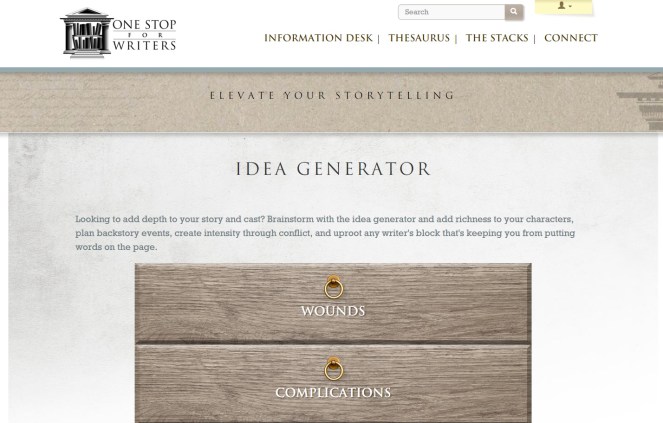
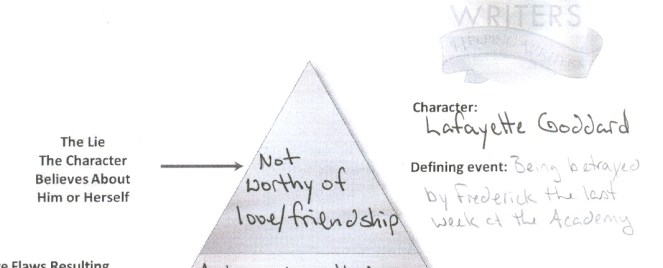
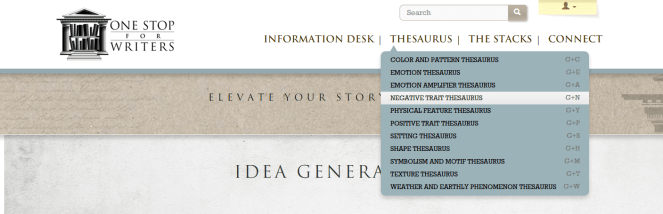


 I’m a person of simple tastes. Specific yes, but simple. Engage my mind. Make me feel. And don’t skimp on the aesthetics. Thief delivers on all three. Much like Garrett delivers the (stolen) goods. He doesn’t disappoint and neither does this game. Mostly. Now, this is not a game play review. There are tons of those. This one is really good and fair and I agree with him on most points.


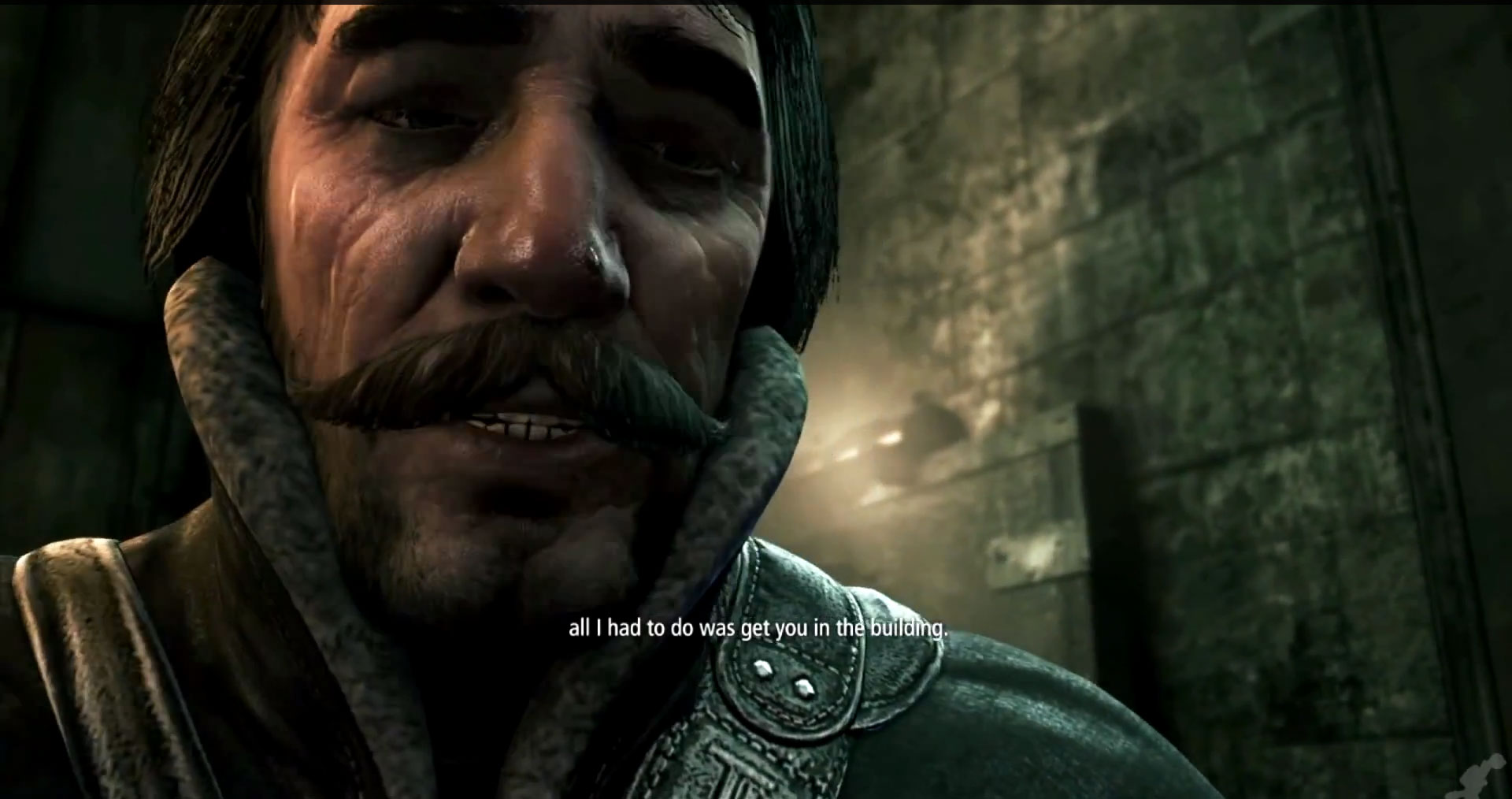

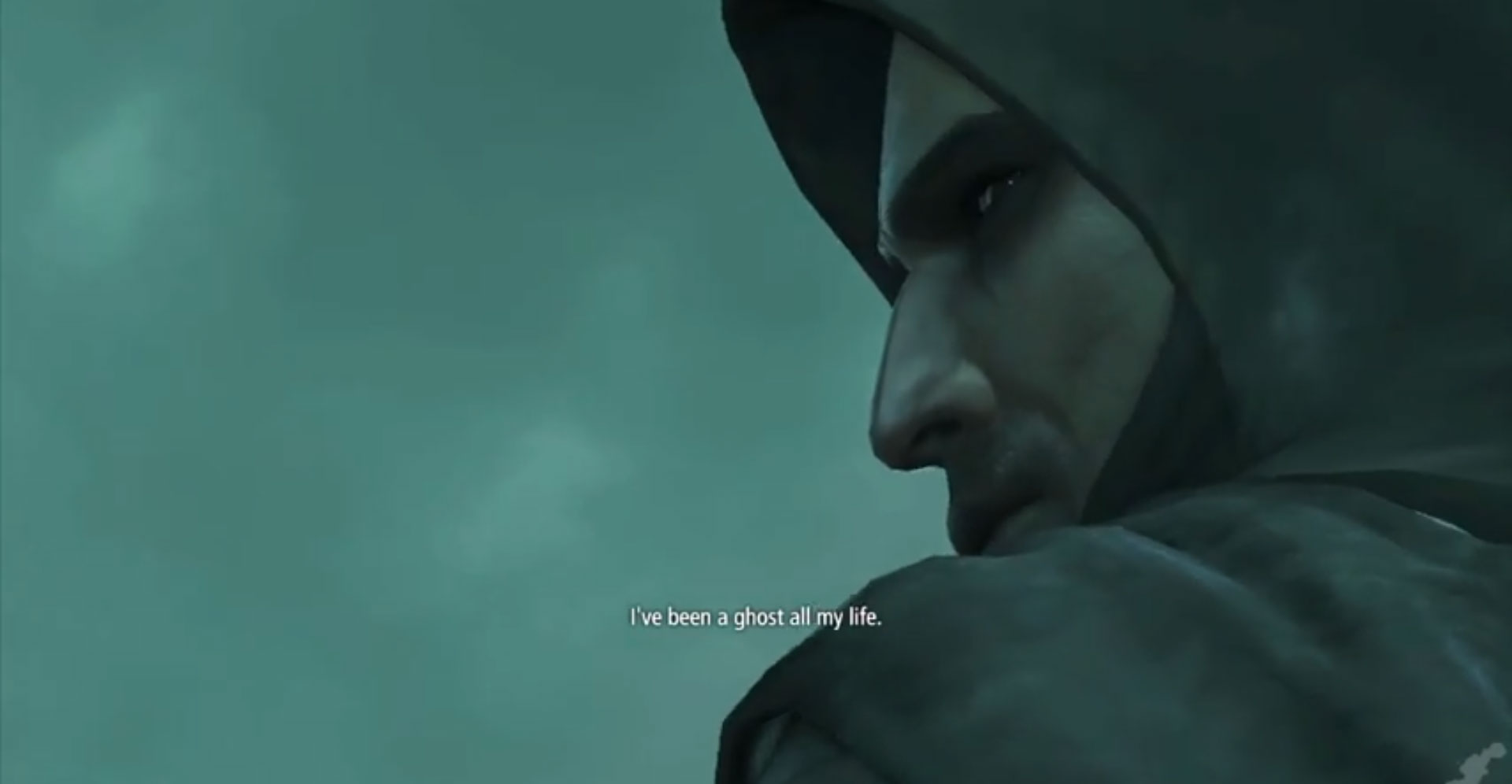
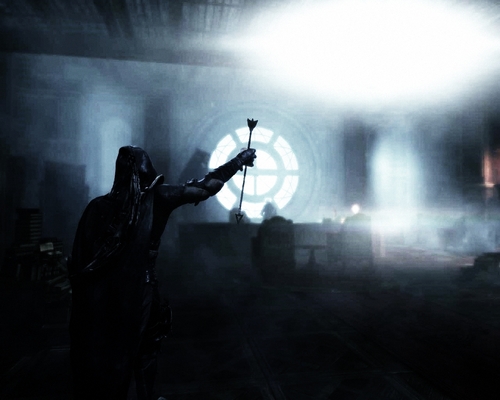


 Bran Lindy Ayres